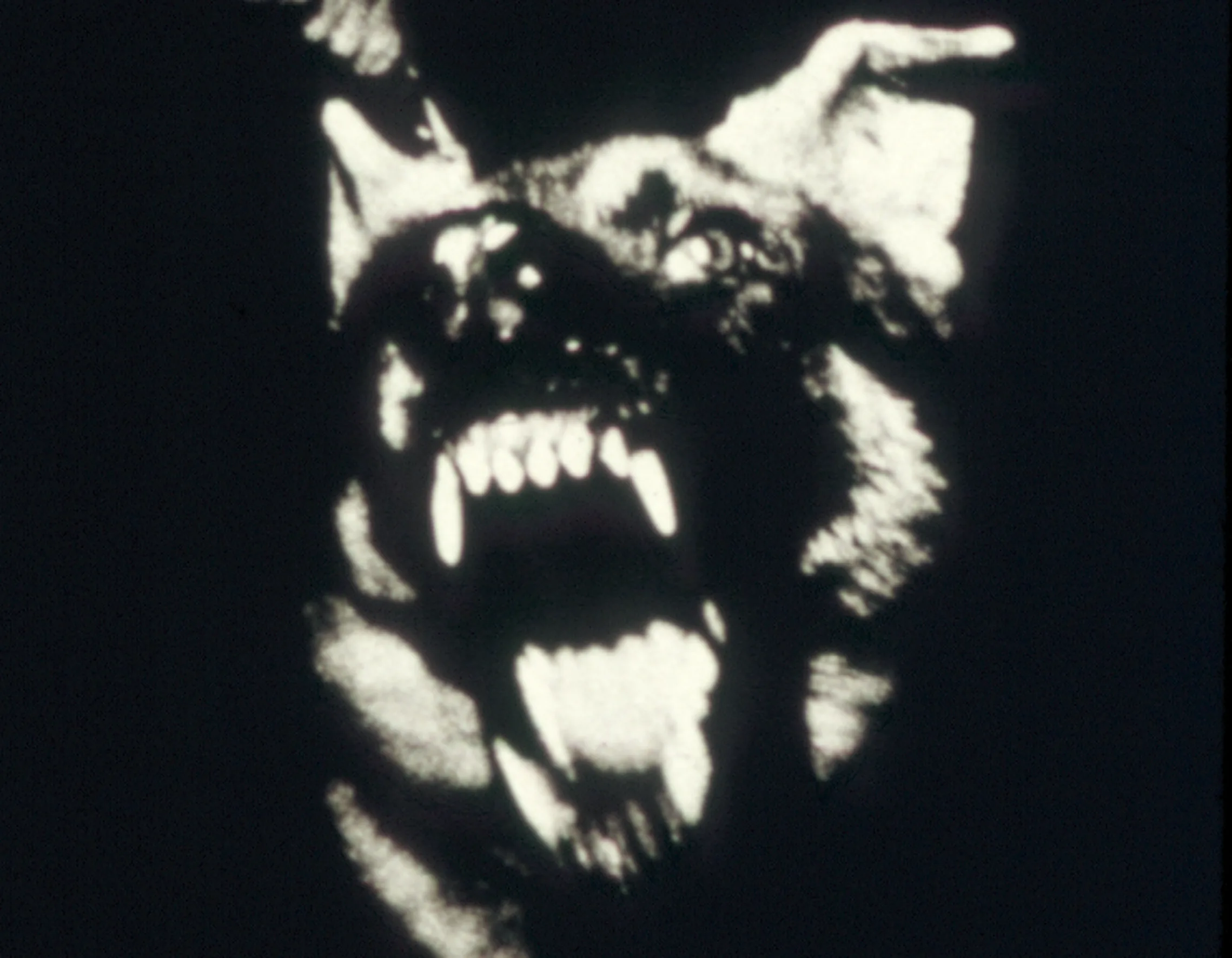
No programme items found for this combination of filters.
“A historic city, without a history.” (from Beyrouth, ma ville by Jocelyn Saab)
Marked by violence, war, and destruction, Beirut has endured decades of conflict, leaving behind a fractured history. Together, the films in this thread seek to preserve personal memories and histories while reflecting on the wider collective consciousness and reconstructed history of the city and the country. Through lived experience, personal recollection, and archival materials, these films piece together fragments of Beirut’s past, constructing new forms of both individual and collective memory.
-
Thread Beirut, Lebanon
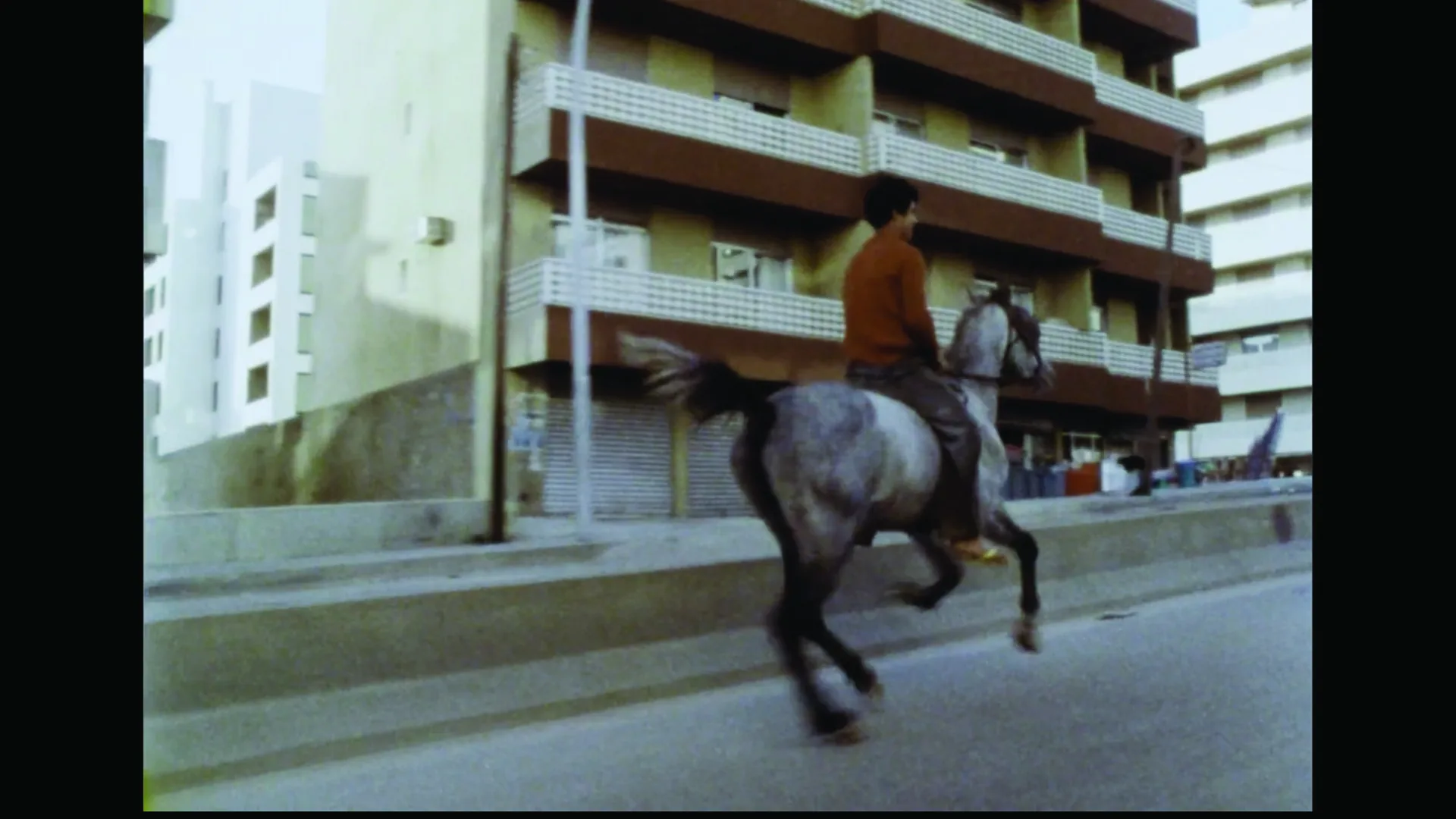
Do You Love Me?
Through archival footage, the fragmented history of the last seventy years of Beirut— a nation without a national archive — is brought to life, serving both as a love letter to the city and a disorienting portrait of its collective memory.
-
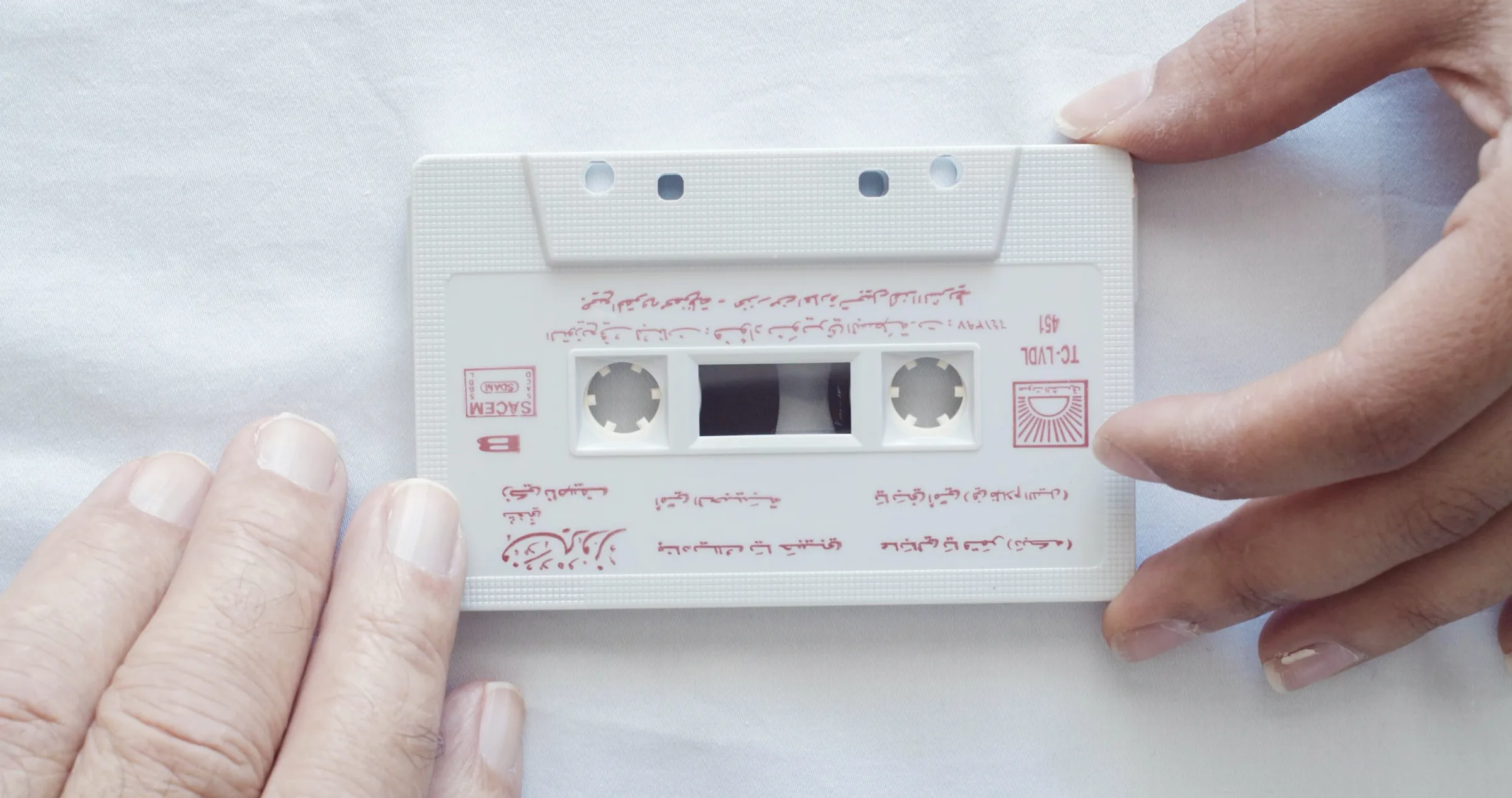
How does one’s personal archive — including ammunition casings, WhatsApp exchanges, and a cassette tape — connect their owner and us viewers, to a distant Lebanon marked by war?
-
Thread Beirut, Lebanon
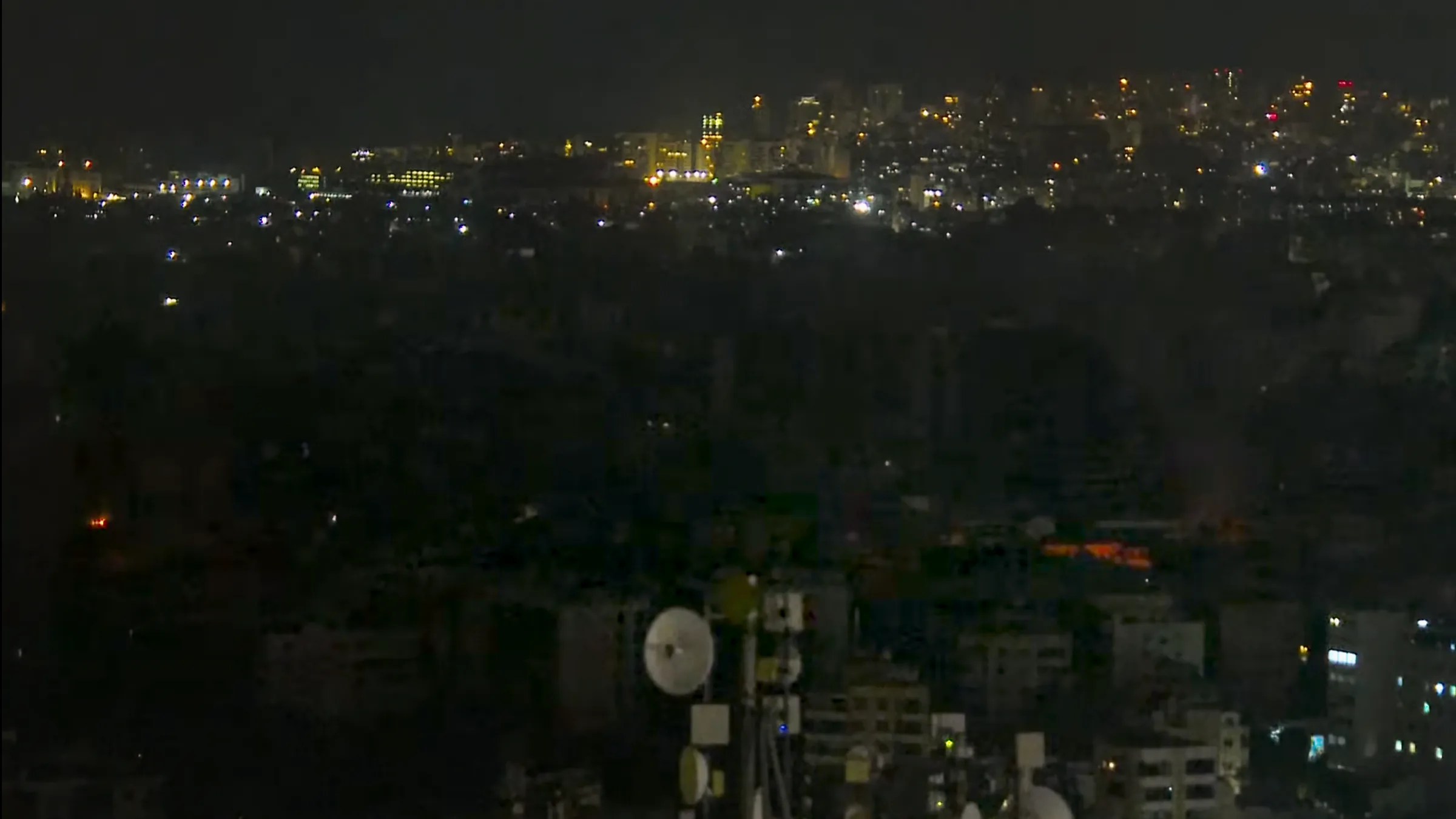
Far from Beyrouth
From their Brussels apartment, Mon tries to support his partner Karim in besieged Beirut, watching from afar through WhatsApp messages, cell phone footage, and news broadcasting.
-
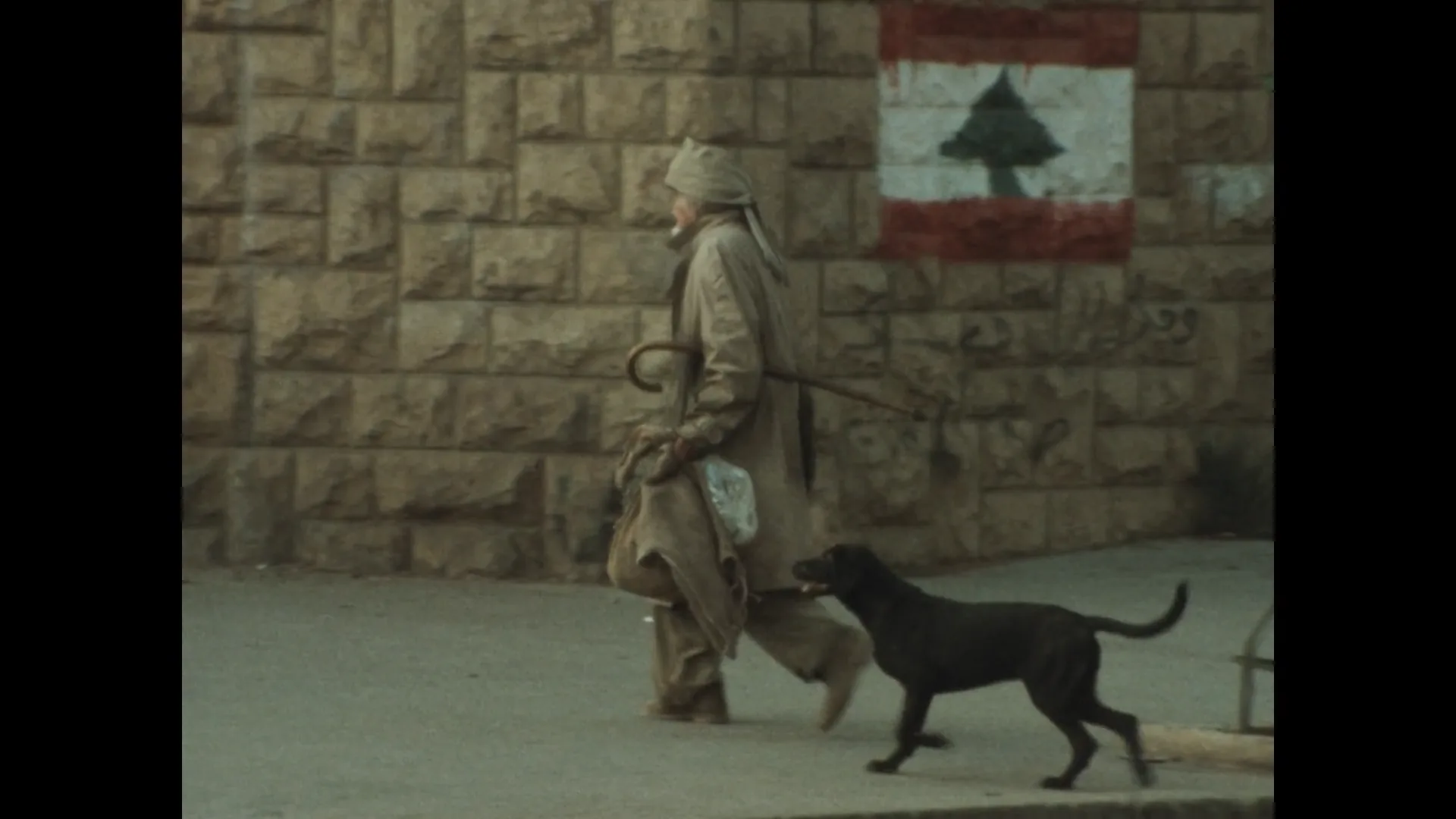
When Israel besieges Beirut in 1982, Jocelyne Saab watches her family home go up in flames, taking 150 years of family history with it. Amid the ruins of the city, she searches for the origins and consequences of the tragedy. Every place becomes a history, every name a memory.


From Asia to Africa to America, the films in this thread explore the politics embedded in land and urban space, uncovering histories of dispossession, exile, extraction, marginalisation, and conflict. These essay films demonstrate and theorise that cities and landscapes are never merely backgrounds against which larger histories unfold; they are spaces shaped, marked, and embodied by social systems. Through the camera lens, these systems become tangible, inscribed in the world of both past and present.
-
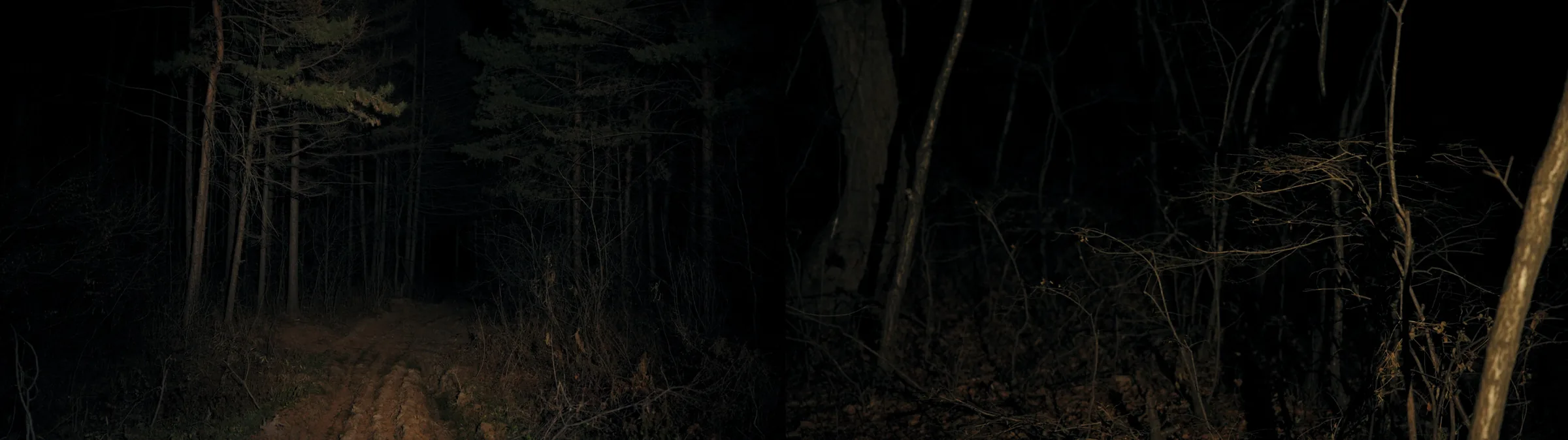
Two channels trace a North Korean defector’s forty-day escape from imprisonment in Northeast China, showing us dense landscapes layered with historical and contemporary significance.
-
Thread Cities & Landscapes
O'er the Land
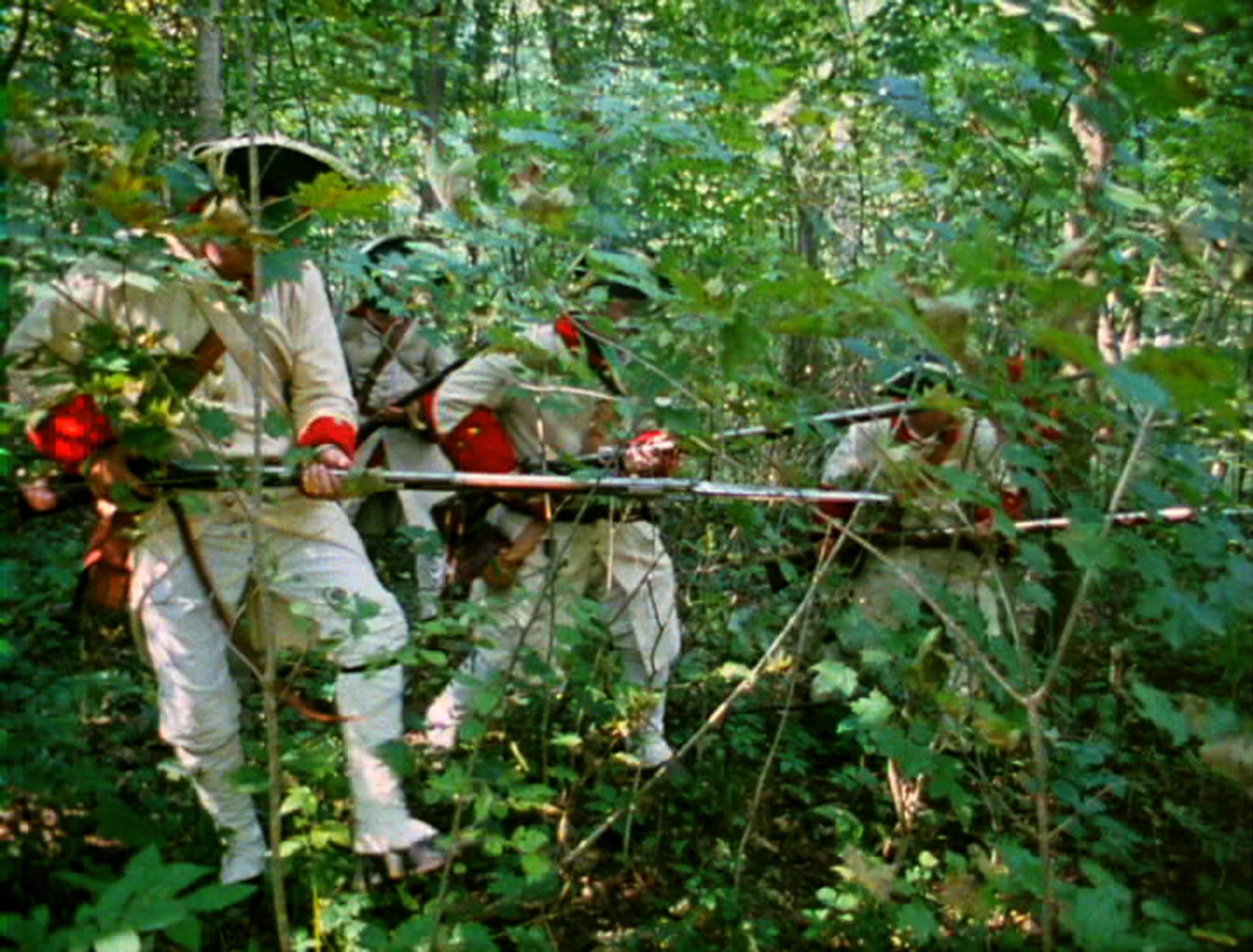
A collage of American rituals and spectacles reveals the contradictions and costs behind the ideals of freedom, heroism, and patriotism.
-
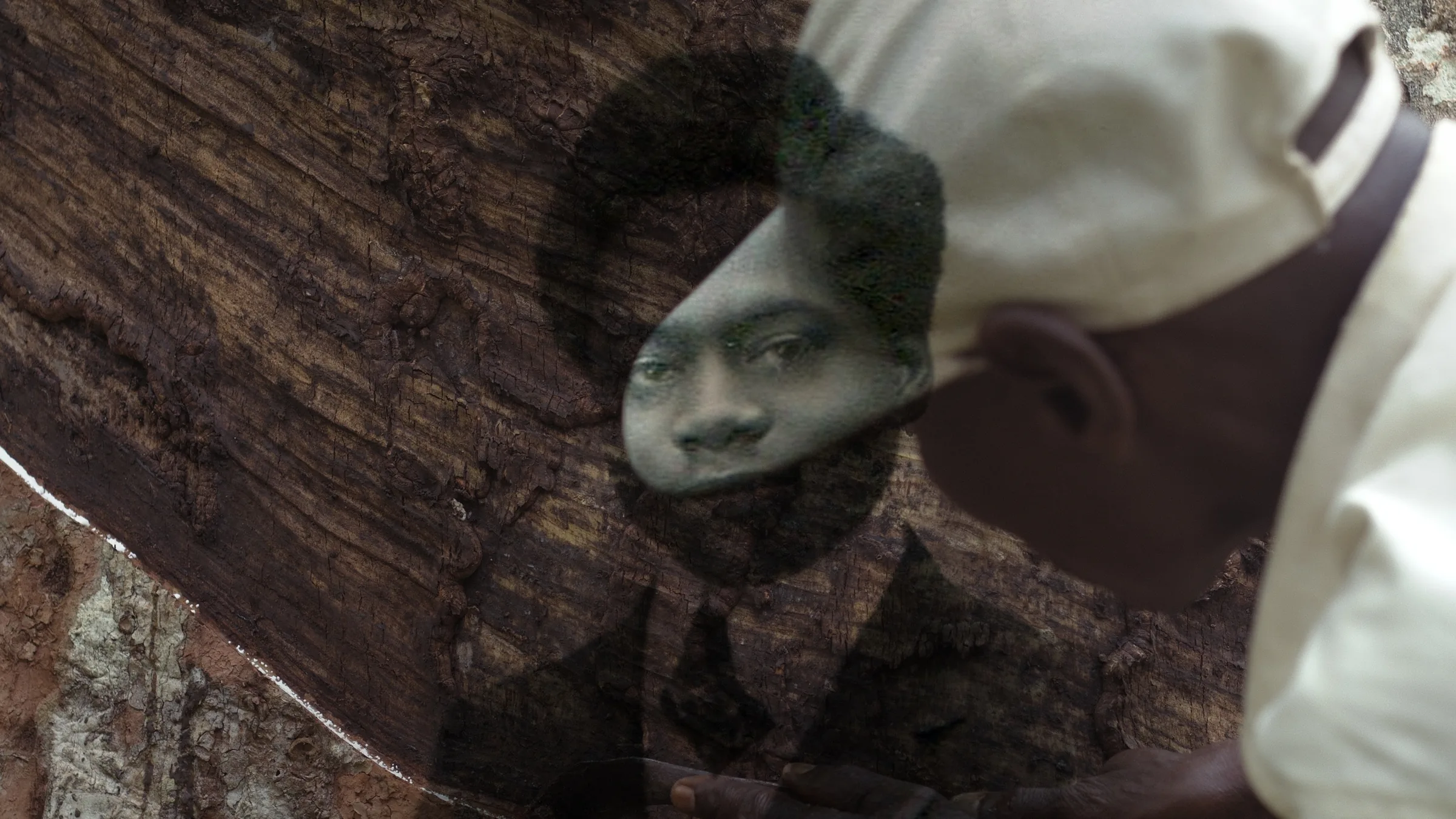
In the Congo Basin, two scientists and an unlikely third voice reveal colonialism's enduring legacy through the intertwined exploitation of individuals and the environment.
-
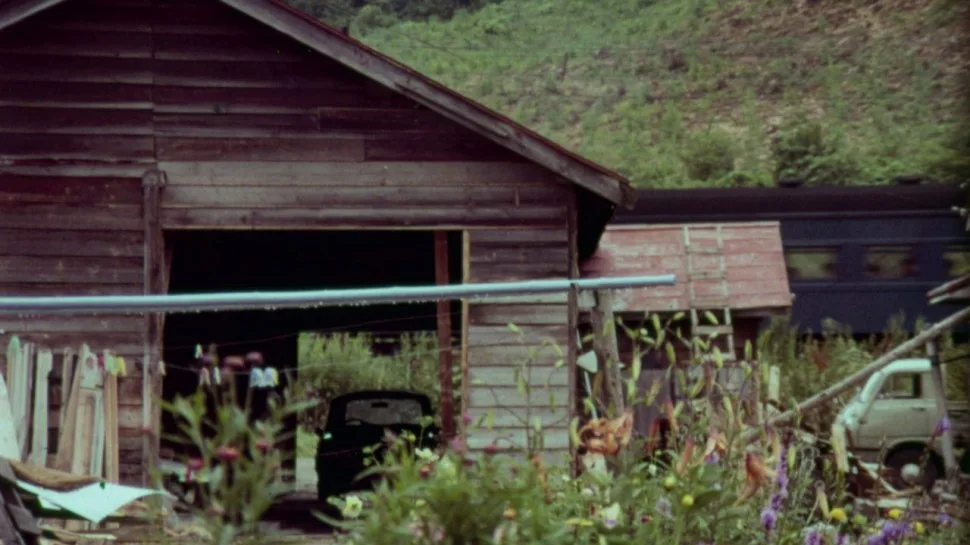
A landmark essay film in which director Masao Adachi reconstructs the life of a teenage murderer through the spaces he once traversed, rejecting sensationalism and using landscapes as his primary subject, offering meditations on violence and the political forces embedded in everyday life.


The essay film genre continually reinvents itself, adapting to new questions and circumstances. Yet classic essay films remain ever relevant, offering insight into the historical conditions that have shaped our present while providing foundational strategies that continue to inspire new generations of filmmakers. By presenting these films alongside contemporary essay films, we invite audiences to reflect on their enduring relevance and meaning for the present.
-
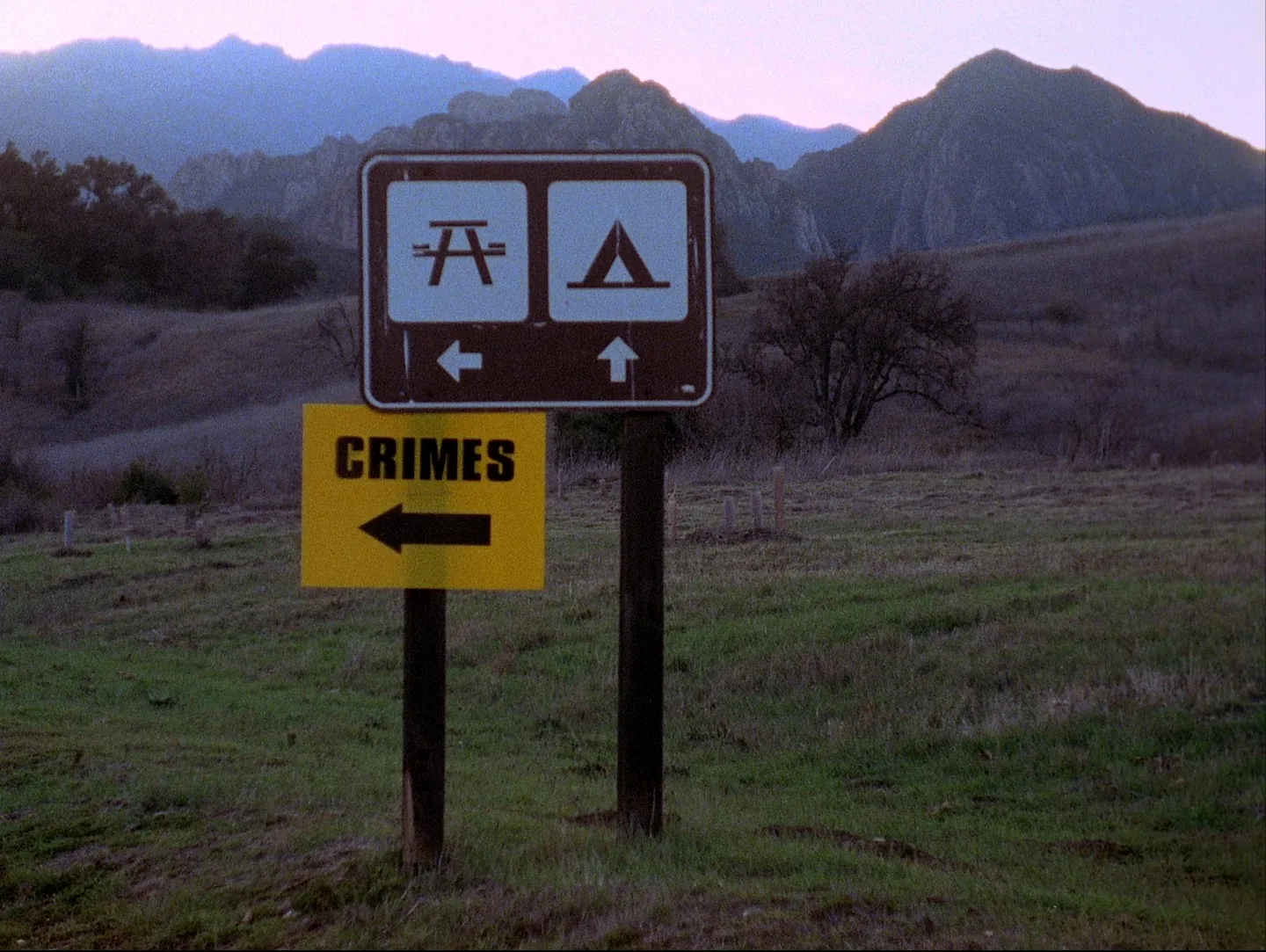
This landmark essay film uses hundreds of film clips to reveal how Los Angeles has been mythologized and distorted by Hollywood, reclaiming the city as both a real place and a cinematic protagonist.
-
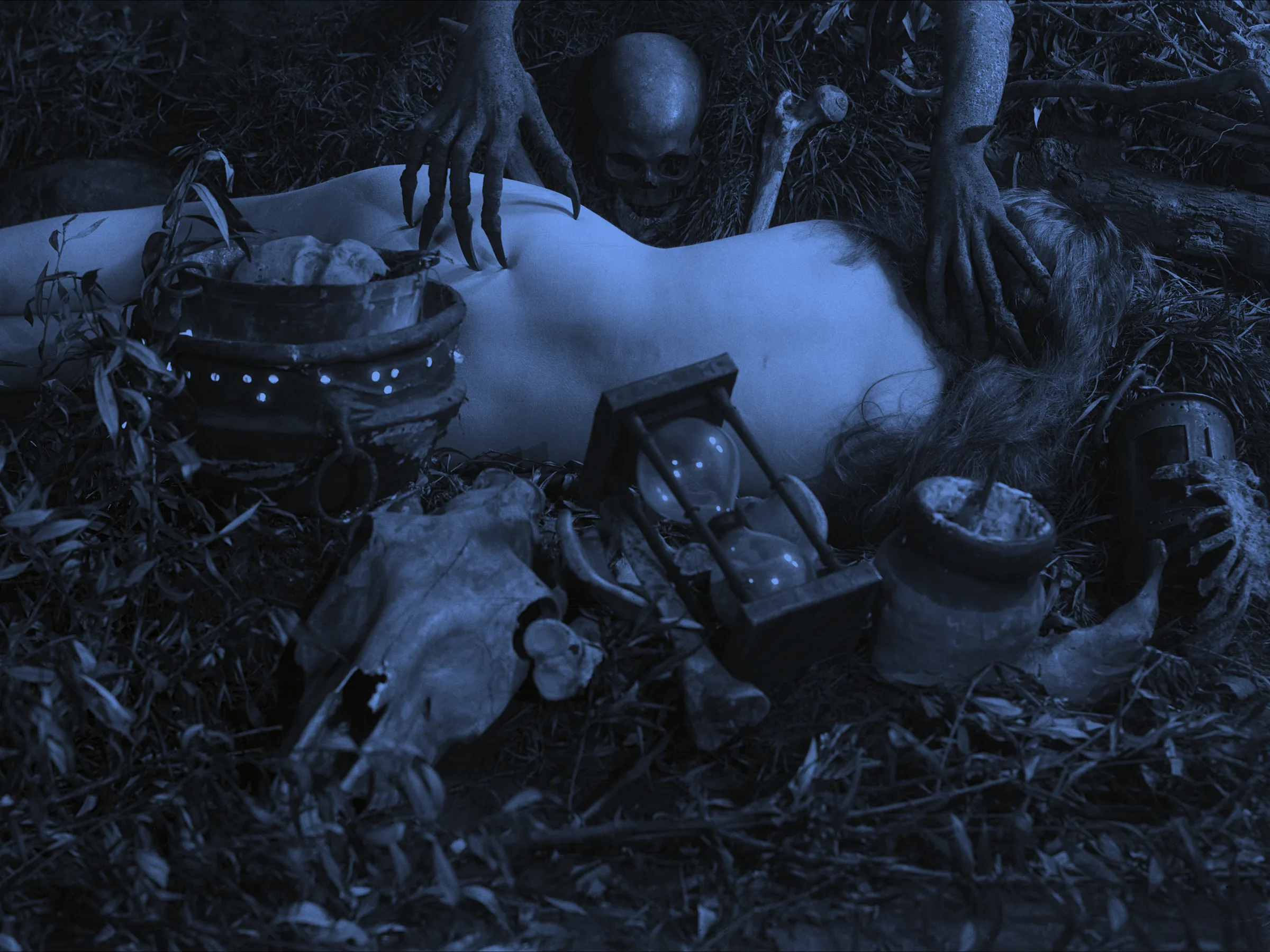
The evolution of witchcraft through the ages is traced in this proto-essay film made over 100 years ago. Stunning monotone vignettes form a visionary blend of fictionalised documentary and horror film. This silent film will have live sound performed by members of Sticky Buttons Records.
-
Thread Classics
Far from Vietnam
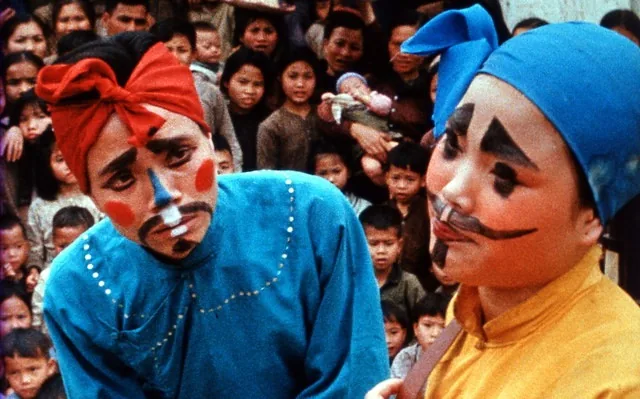
In 1967, seven famous directors co-directed this film to support the Vietnamese struggle against American forces, offering different perspectives on a conflict pitting the rich against the poor.
-
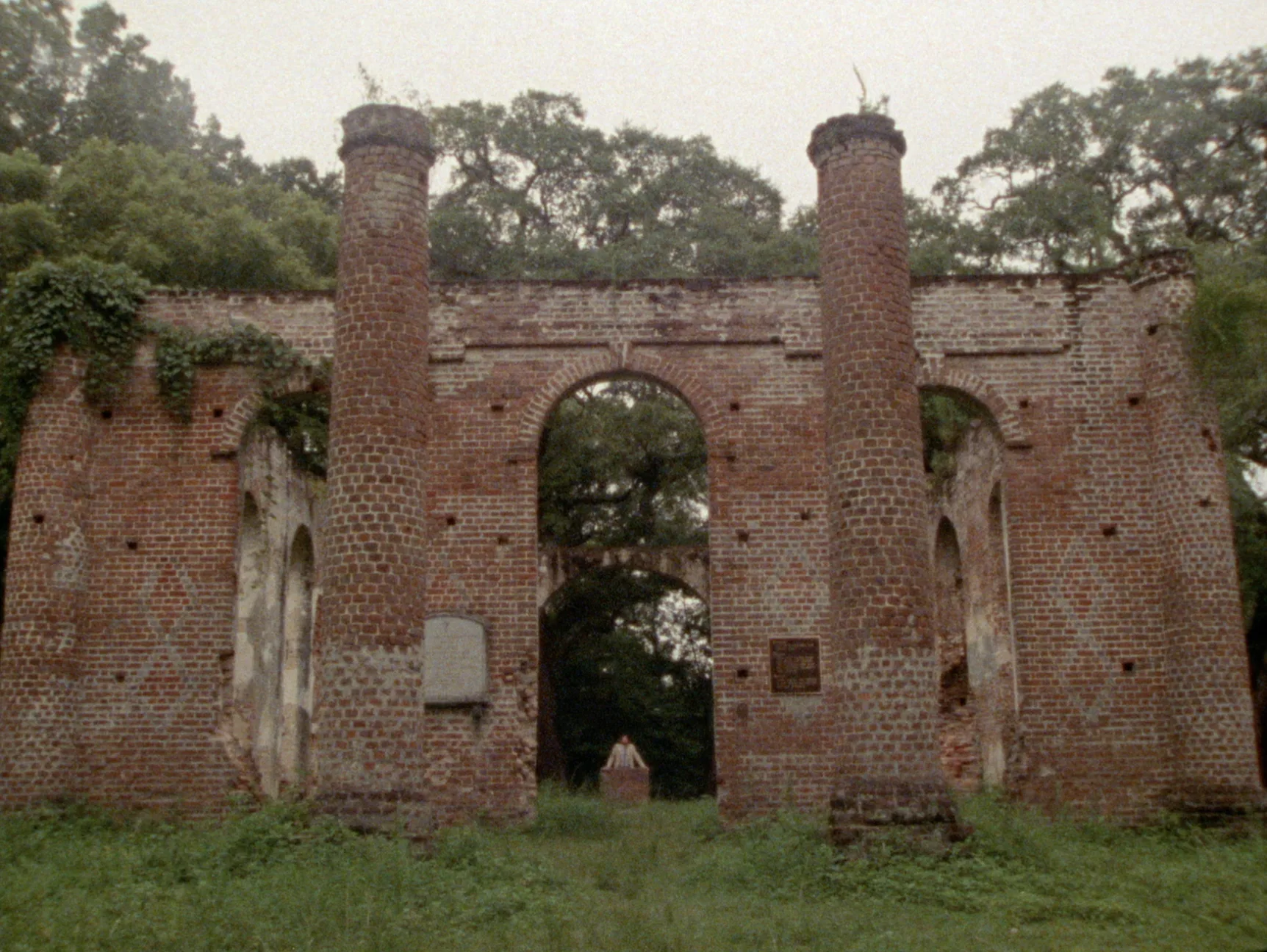
In 1985 McElwee set out to document the lingering traces of General Sherman's march through the American South. He instead created a landmark autobiographical essay film in which history gives way to self-portraiture, a method he would later reexamine with Remake (2025), which is also screening at this festival.
-
A landmark essay film in which director Masao Adachi reconstructs the life of a teenage murderer through the spaces he once traversed, rejecting sensationalism and using landscapes as his primary subject, offering meditations on violence and the political forces embedded in everyday life.


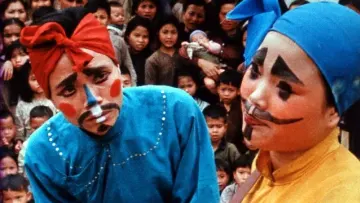

Turning toward the medium of cinema itself, these essay films reflect on their own making in surprising ways. As films about film, the works in this thread explore the materialities of the cinematic apparatus and the innumerable images the medium has produced over the past century, while simultaneously thinking through their subjects by making processes of production explicit.
-
Thread Film on Film
Holofiction
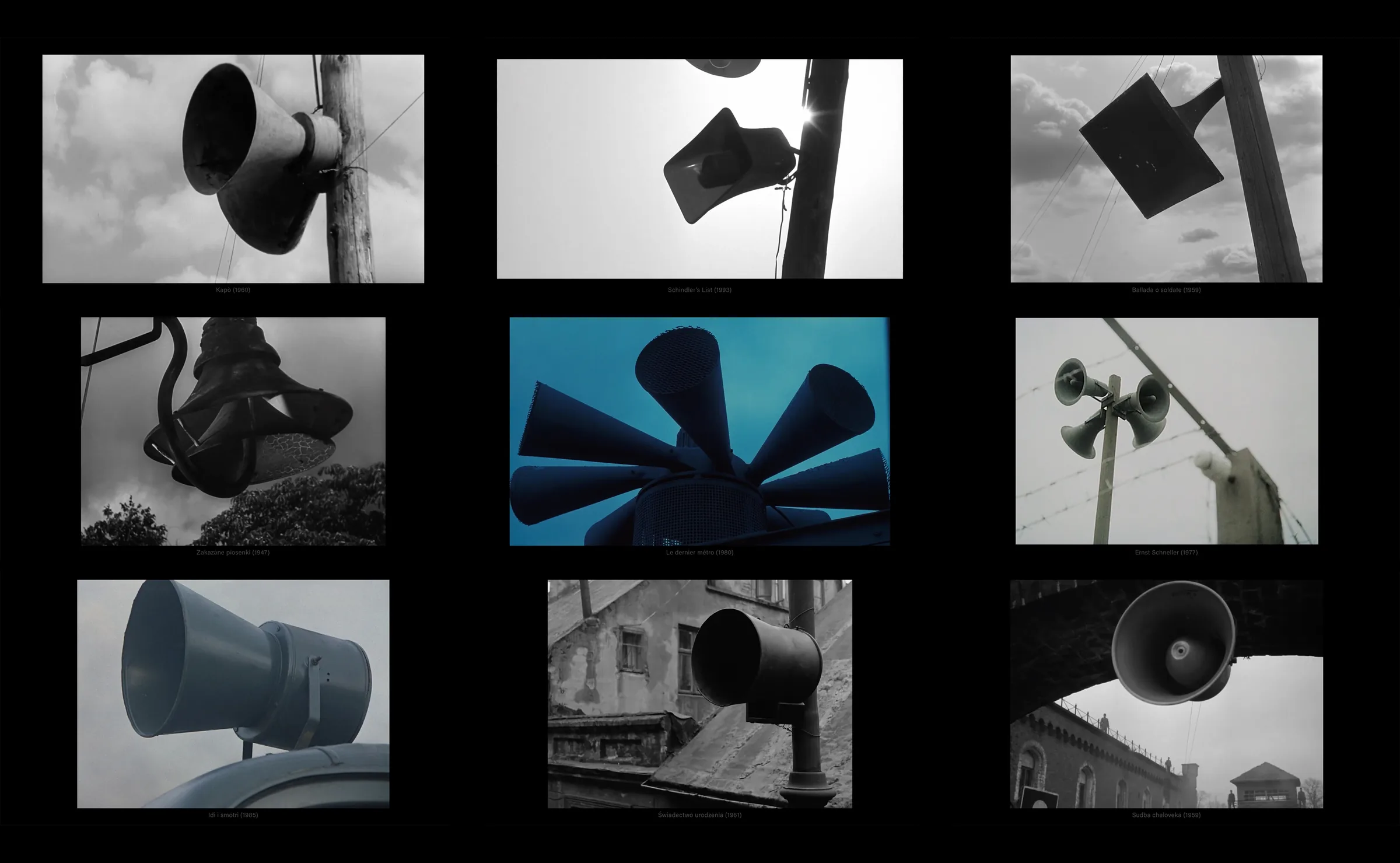
Through a vast montage of Holocaust imagery drawn from decades of cinema, an interrogation on how moving images shape collective memory, exposing the blurred boundaries between historical record, fiction, trauma, and cultural mythmaking.
-
This landmark essay film uses hundreds of film clips to reveal how Los Angeles has been mythologized and distorted by Hollywood, reclaiming the city as both a real place and a cinematic protagonist.
-
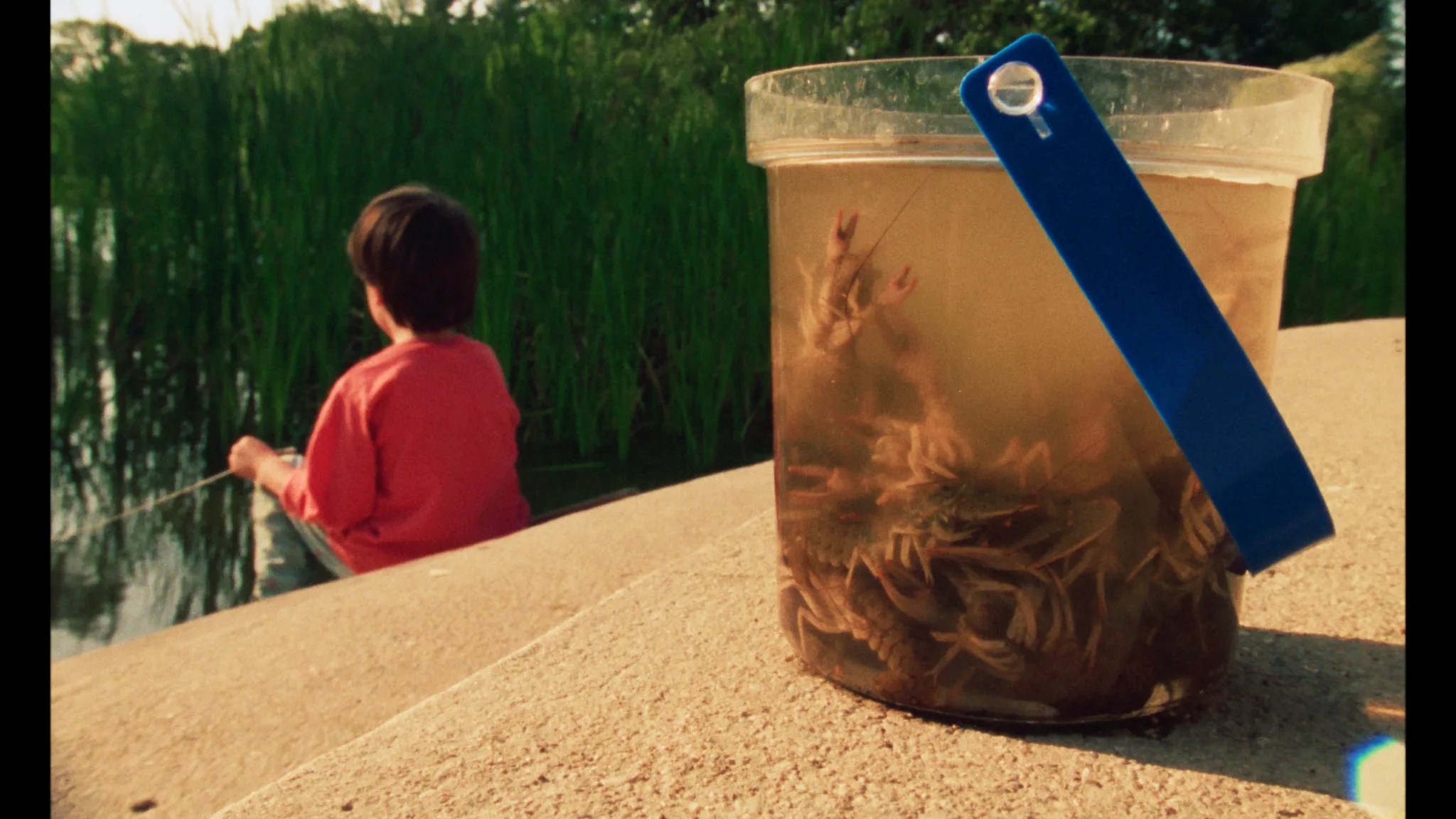
The celebrated filmmaker revisits decades of personal footage after the sudden death of his son, weaving suddenly tragic family archives withan ongoing attempt to realize a Hollywood remake of his classic 1985 essay film Sherman’s March.
-
Thread Film on Film
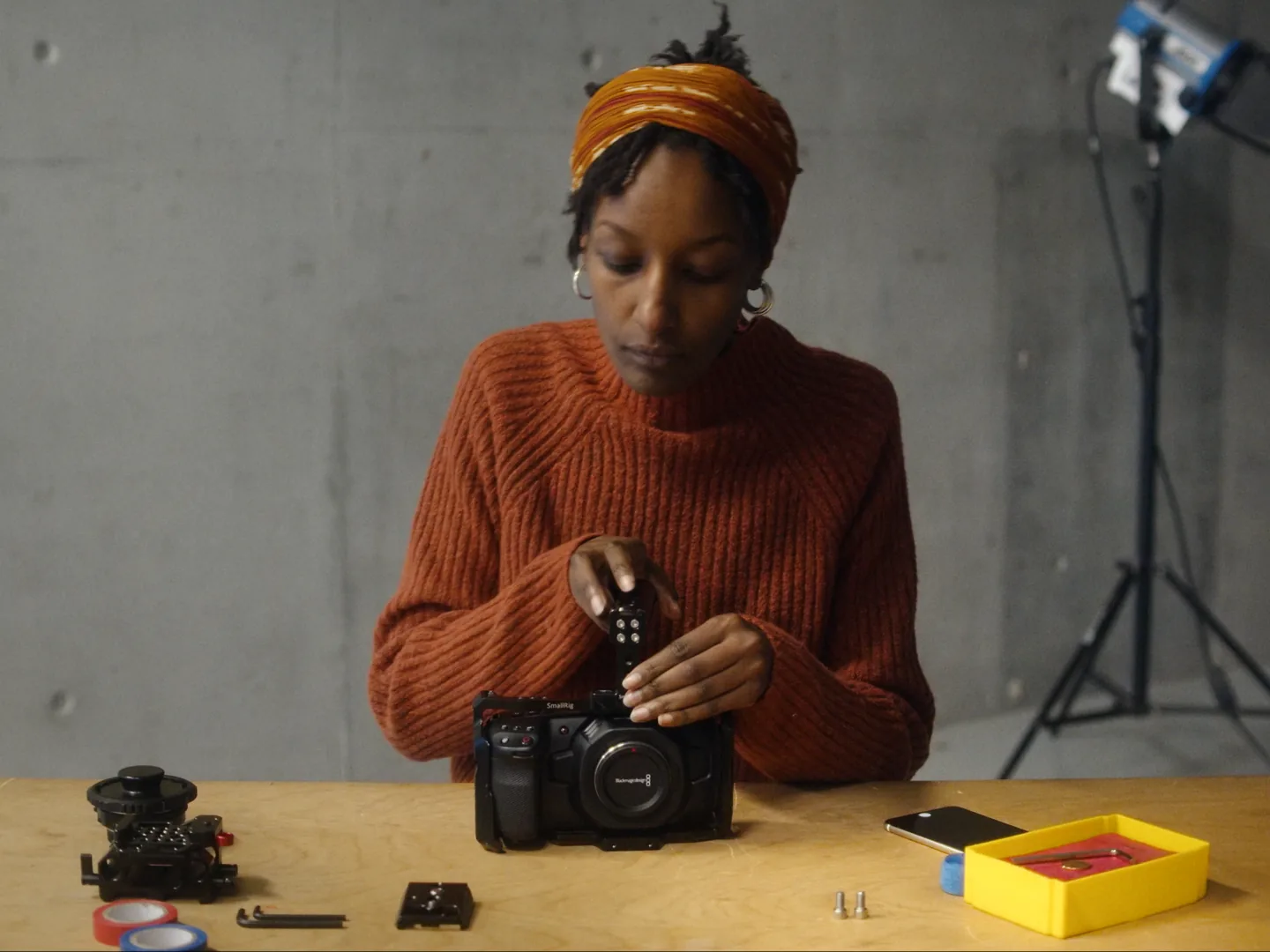
Leçon d'objet
In the ambiguous space between fiction, documentary, and essay, this film presents a reflection on image-making, our relationship with the camera, film school, and the question of attention.
-
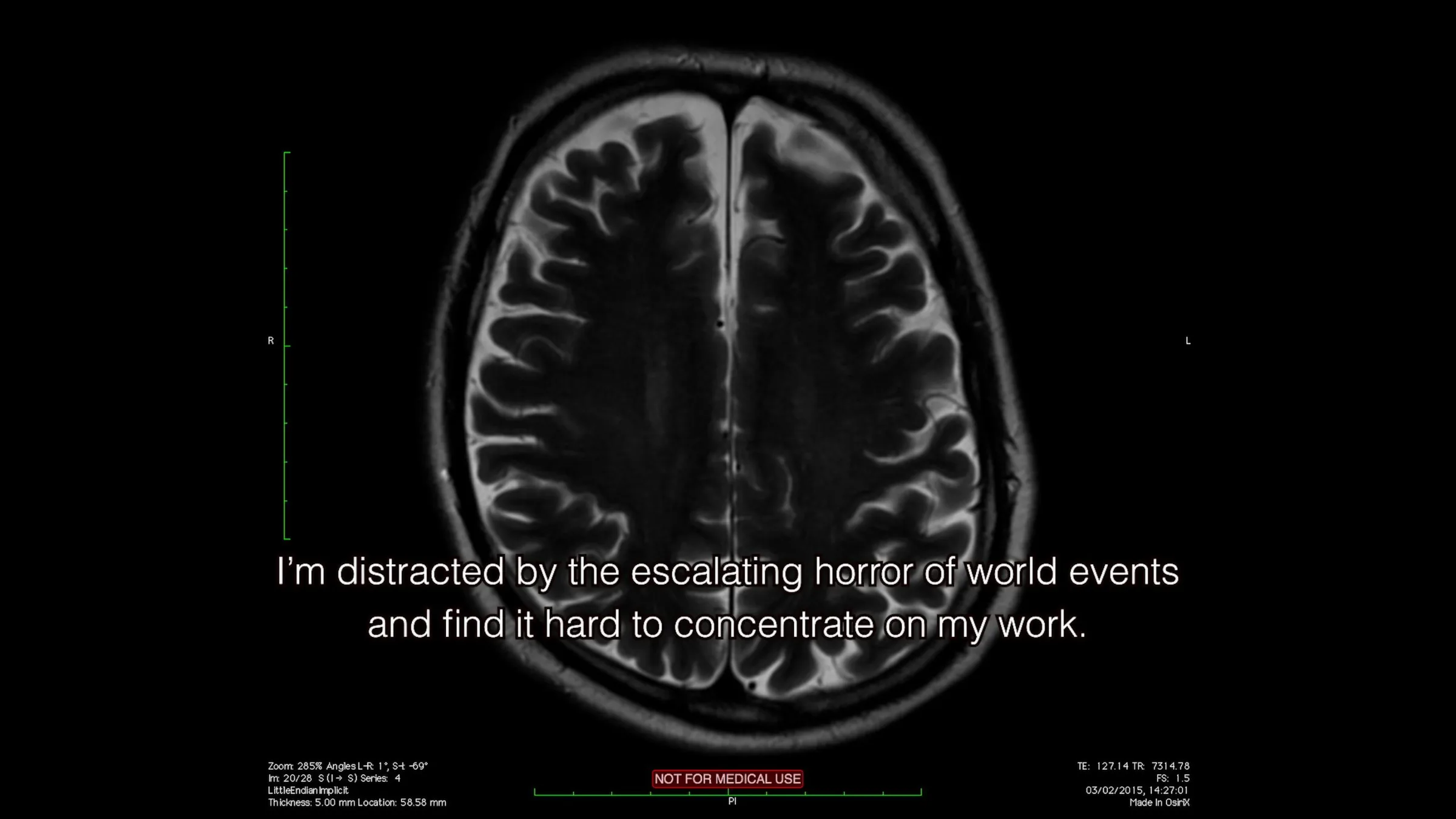
Through his characteristic deadpan humour and a deceivingly simple premise, the director reflects on how having the most generic name in the English language has impacted on his sense of self.
-
Thread Film on Film
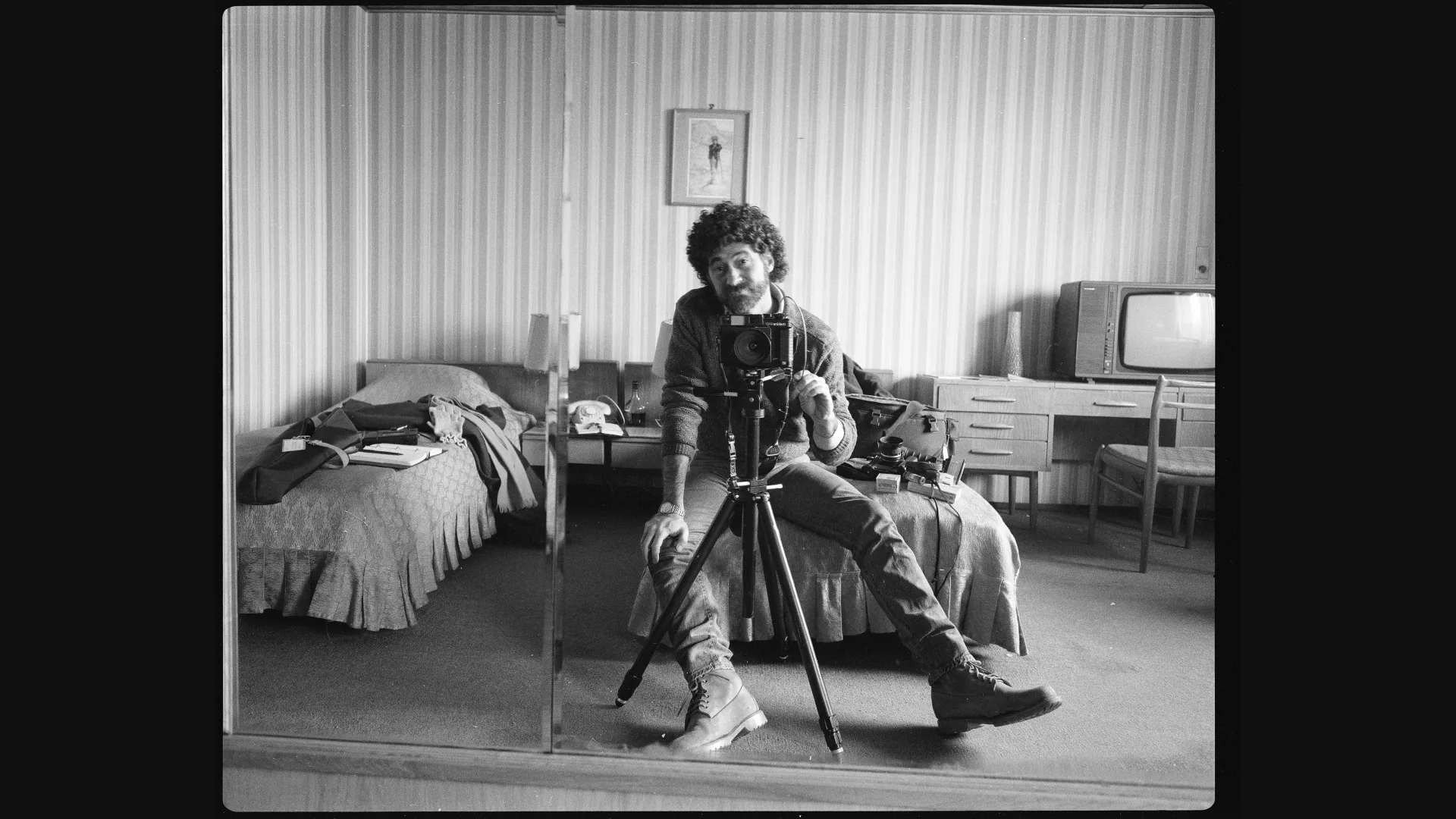
Shot Reverse Shot
Two archives meet and gaze back at each other in this film about American journalist Edward Serotta’s trip to 1980s communist Romania to photograph daily life, and the state surveillance photographing him in return.
-
Thread Film on Film
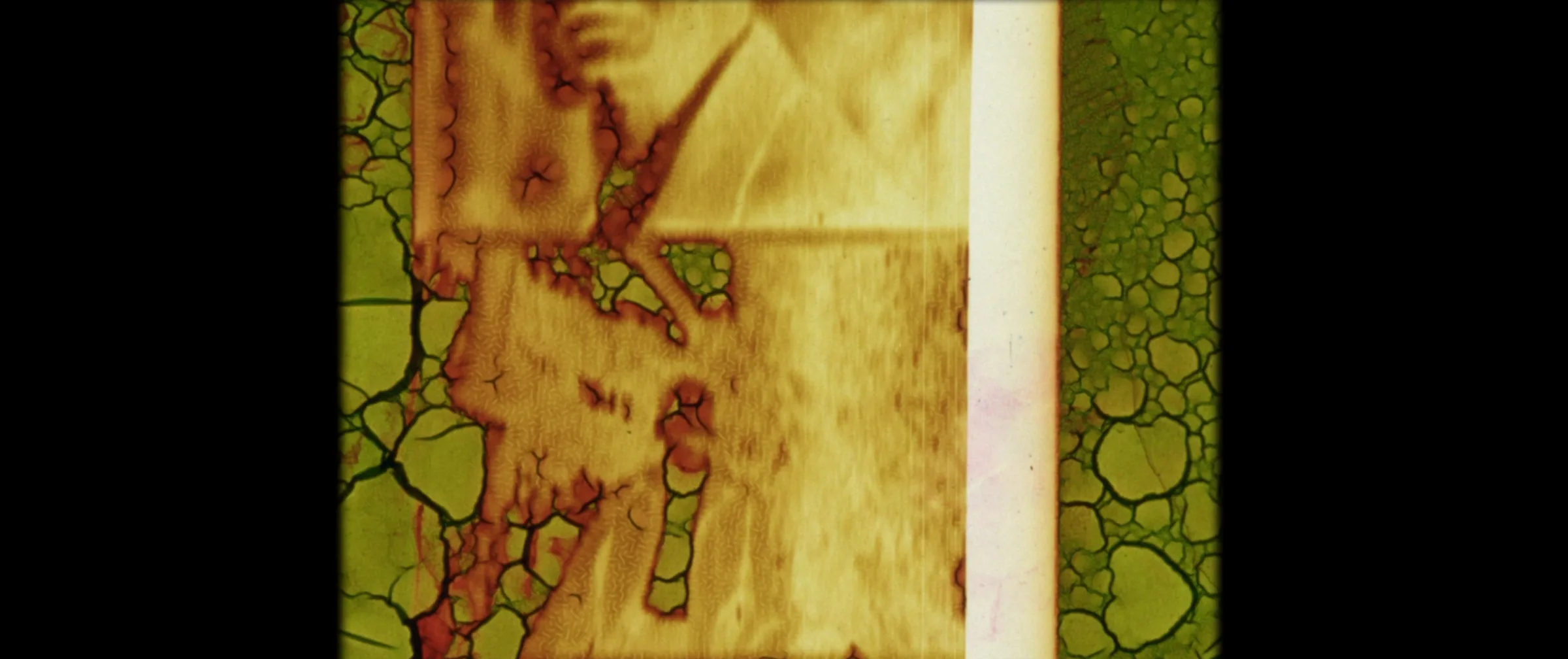
Afternoon Hearsay
Blending colours and textures, sound and voices, to recompose Chinese rural hearsays. A poetic and visual tribute to the 8.75mm celluloid, a filmmaking format developed and produced in China between the 1960s and 1980s.
-
Thread Film on Film
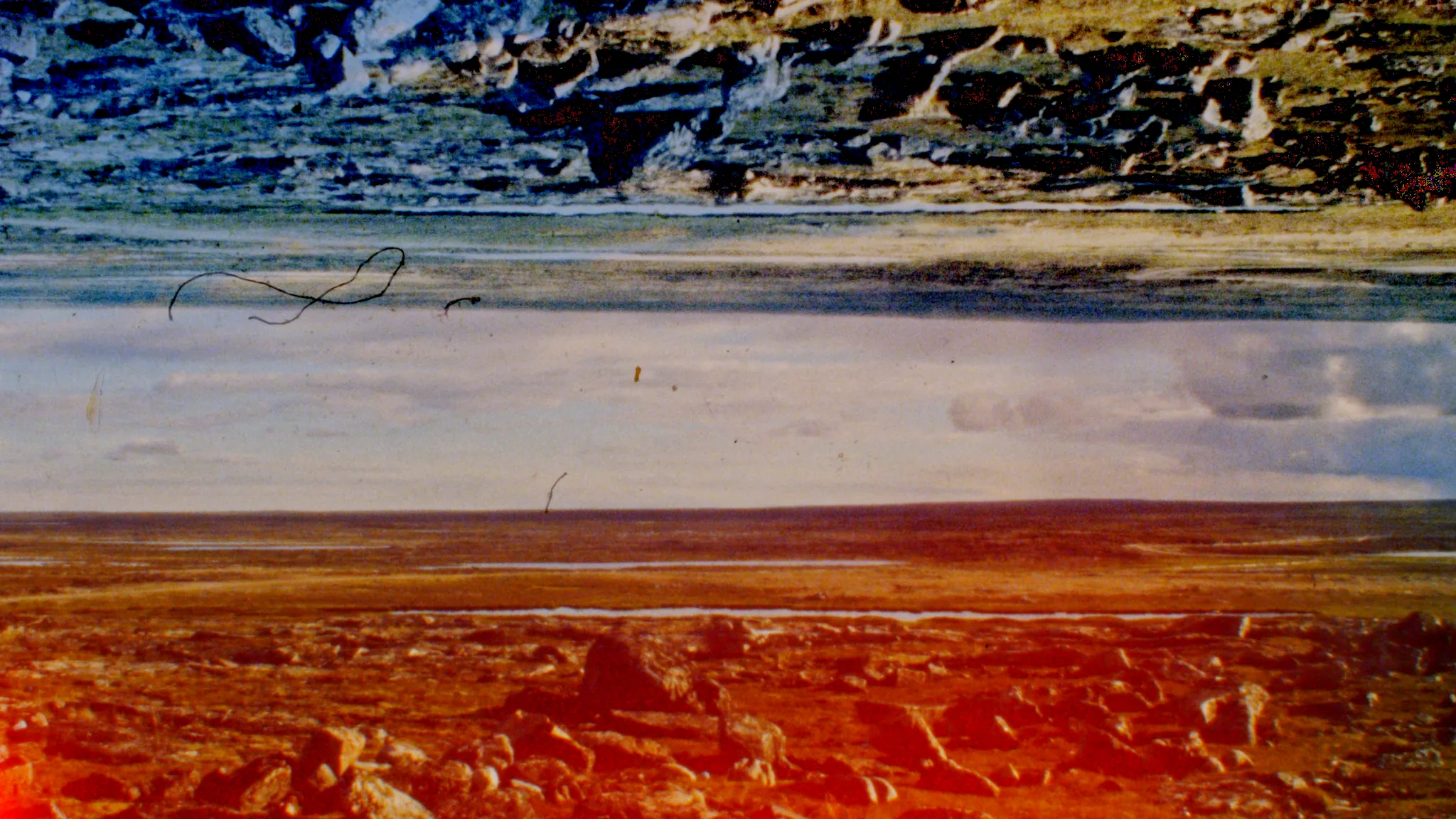
Tuktuit: Caribou
Interconnected relationships between the Inuit, caribou, and lichen challenges the boundaries between human, animal, land, and image-making.
-
Thread Film on Film
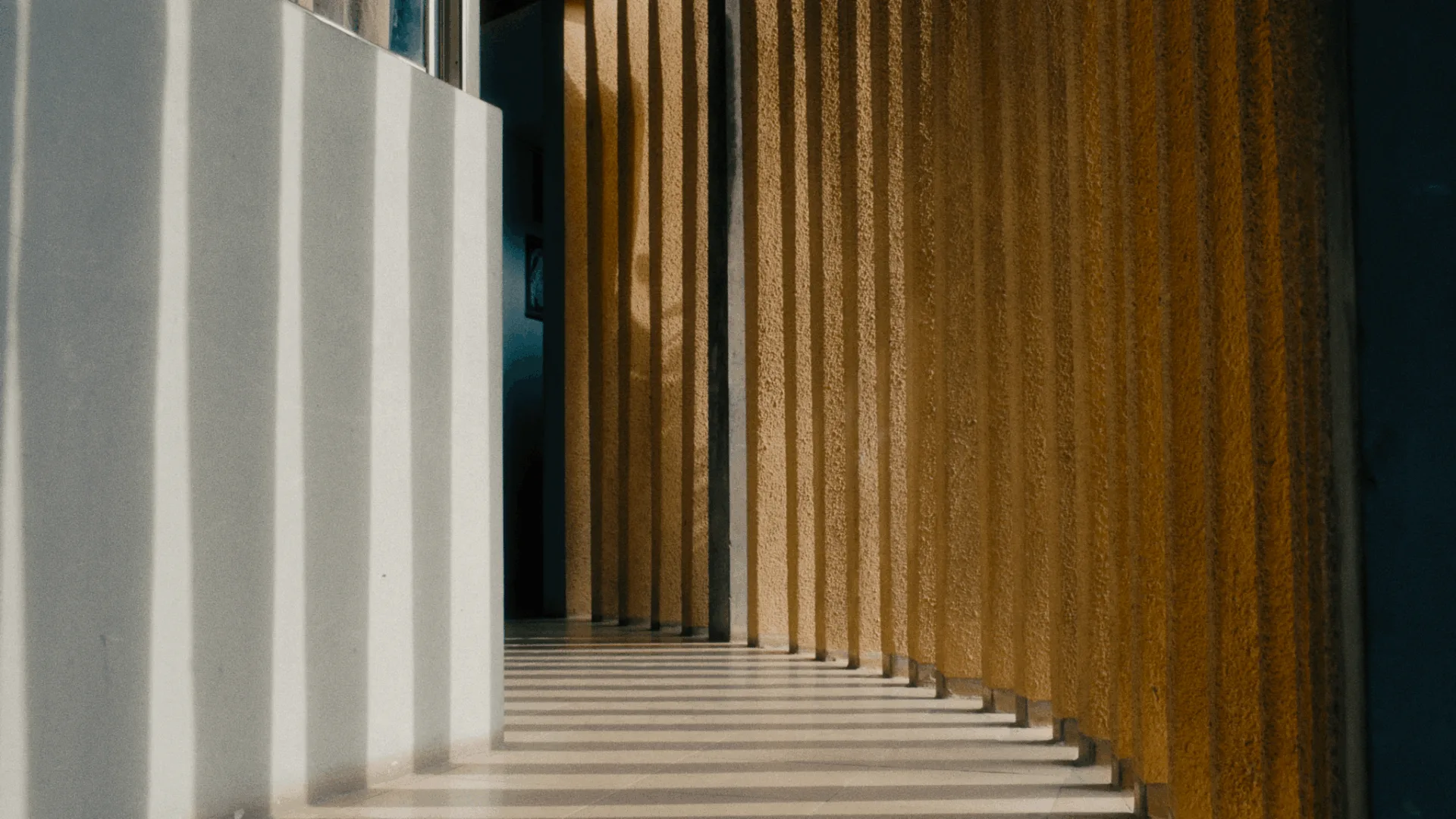
Penkelemes
A rebellious remembering and reclamation of The University of Ibadan, a former institution of British colonial rule in Nigeria.
-
Thread Film on Film
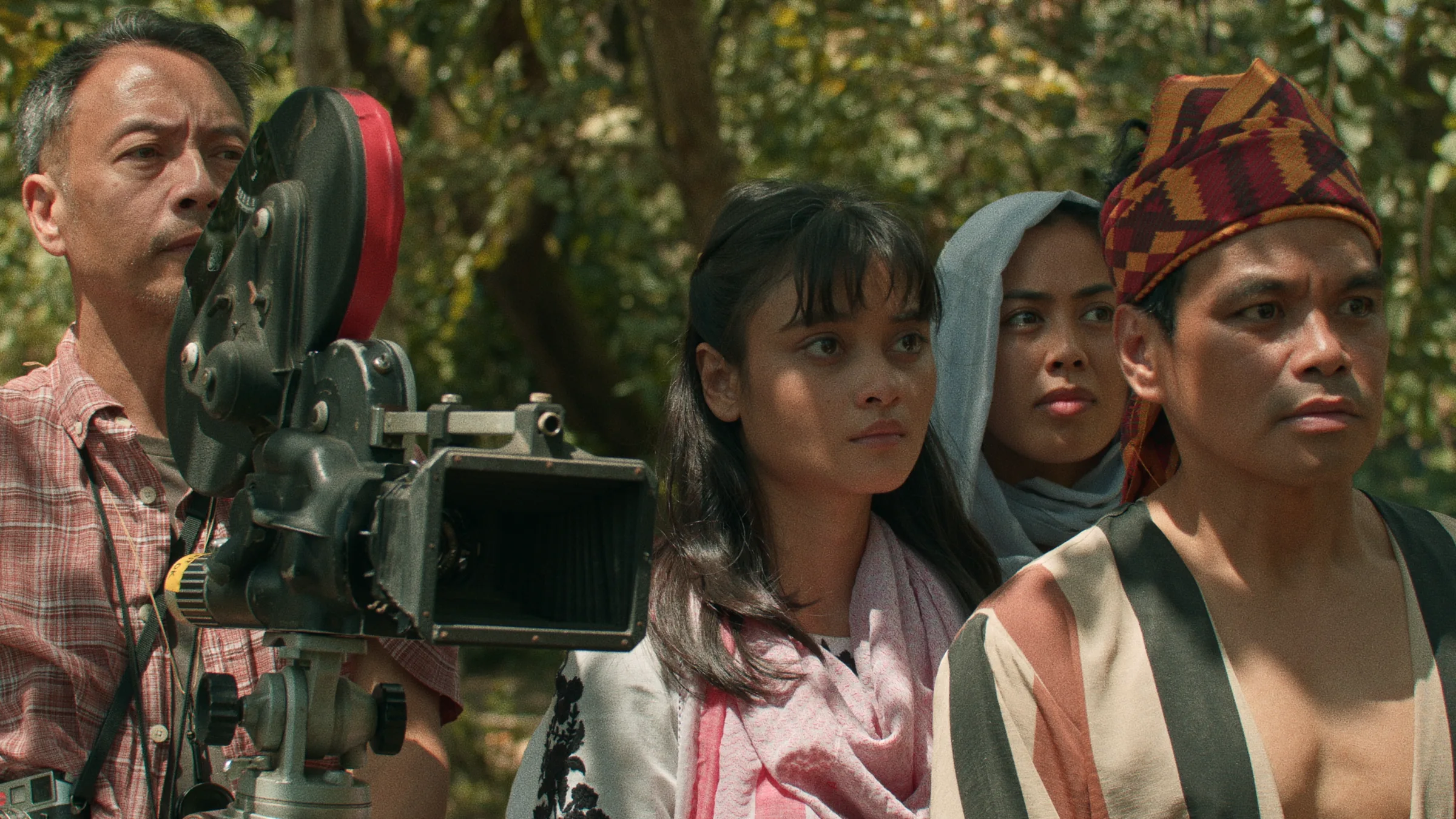
Cinemartyrs
As a filmmaker retraces erased histories of violence in the south of the Philippines, the act of making a film becomes an encounter with buried trauma, revealing cinema itself as a battleground between remembrance and forgetting, and transforming the filmmaking process into a meta-cinematic essay about the ethics of representation.


What is more personal than a glimpse into a filmmaker’s family life? Through intimate reflections on kinship, the essay films in this thread offer unique insights into people’s lives and how family bonds shape our worldview. Interestingly, by staying so close to the intimacy of family life, these films also invoke larger political and historical realities.
-
The celebrated filmmaker revisits decades of personal footage after the sudden death of his son, weaving suddenly tragic family archives withan ongoing attempt to realize a Hollywood remake of his classic 1985 essay film Sherman’s March.
-
Through his characteristic deadpan humour and a deceivingly simple premise, the director reflects on how having the most generic name in the English language has impacted on his sense of self.
-
Thread Next of Kin
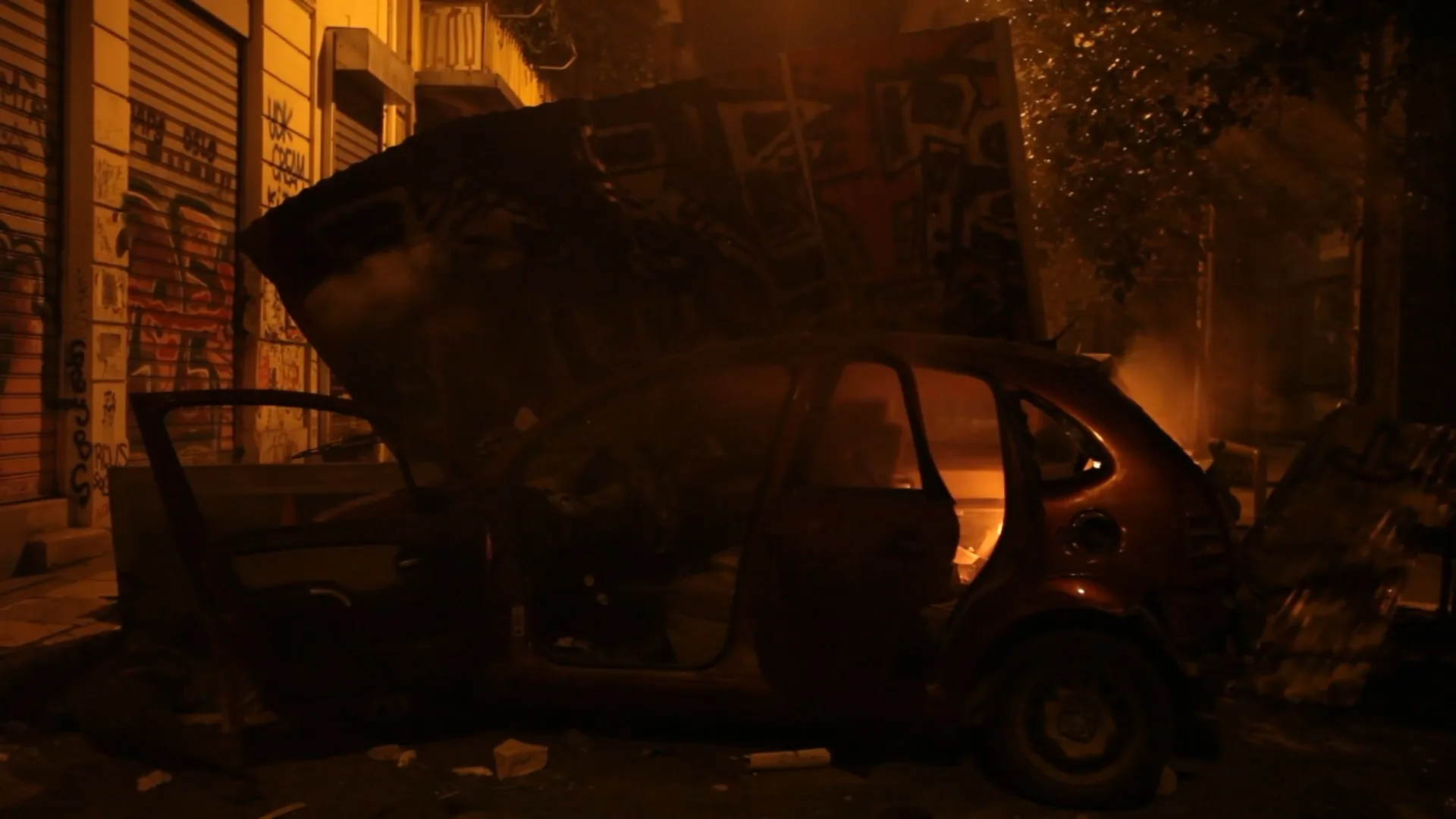
Stoker
How do you write a letter to a person you have never met? A moving depiction of family, reconciliation and the inevitability of death spanning from 1970s Greece to the present day.
-
Thread Next of Kin
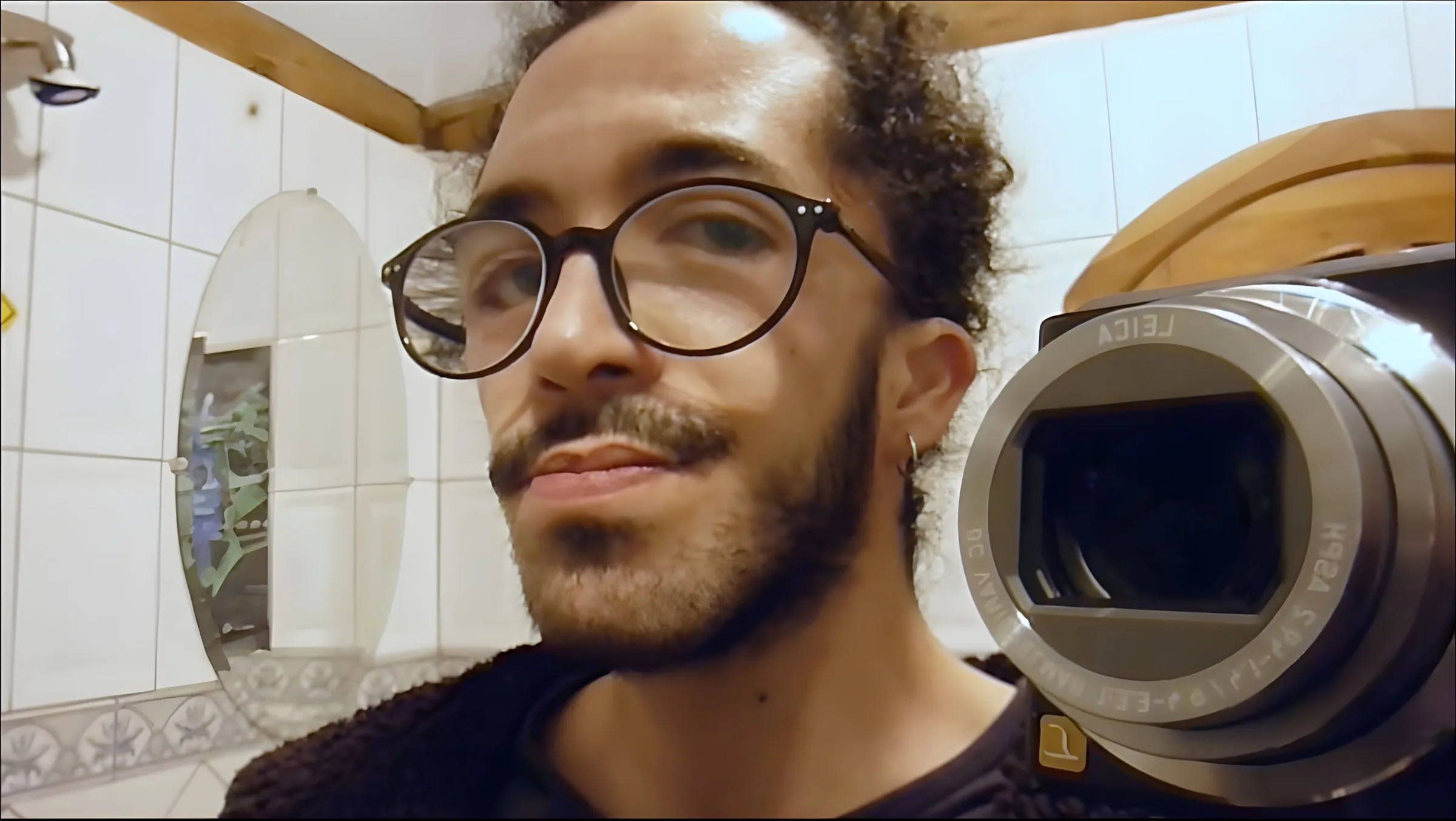
The Broken R
A young filmmaker uses film diaries of everyday encounters, most importantly with his own family to construct a deeply personal essay film about belonging and self-acceptance, while confronting a hereditary facial condition with his own queer identity.
-
Thread Next of Kin
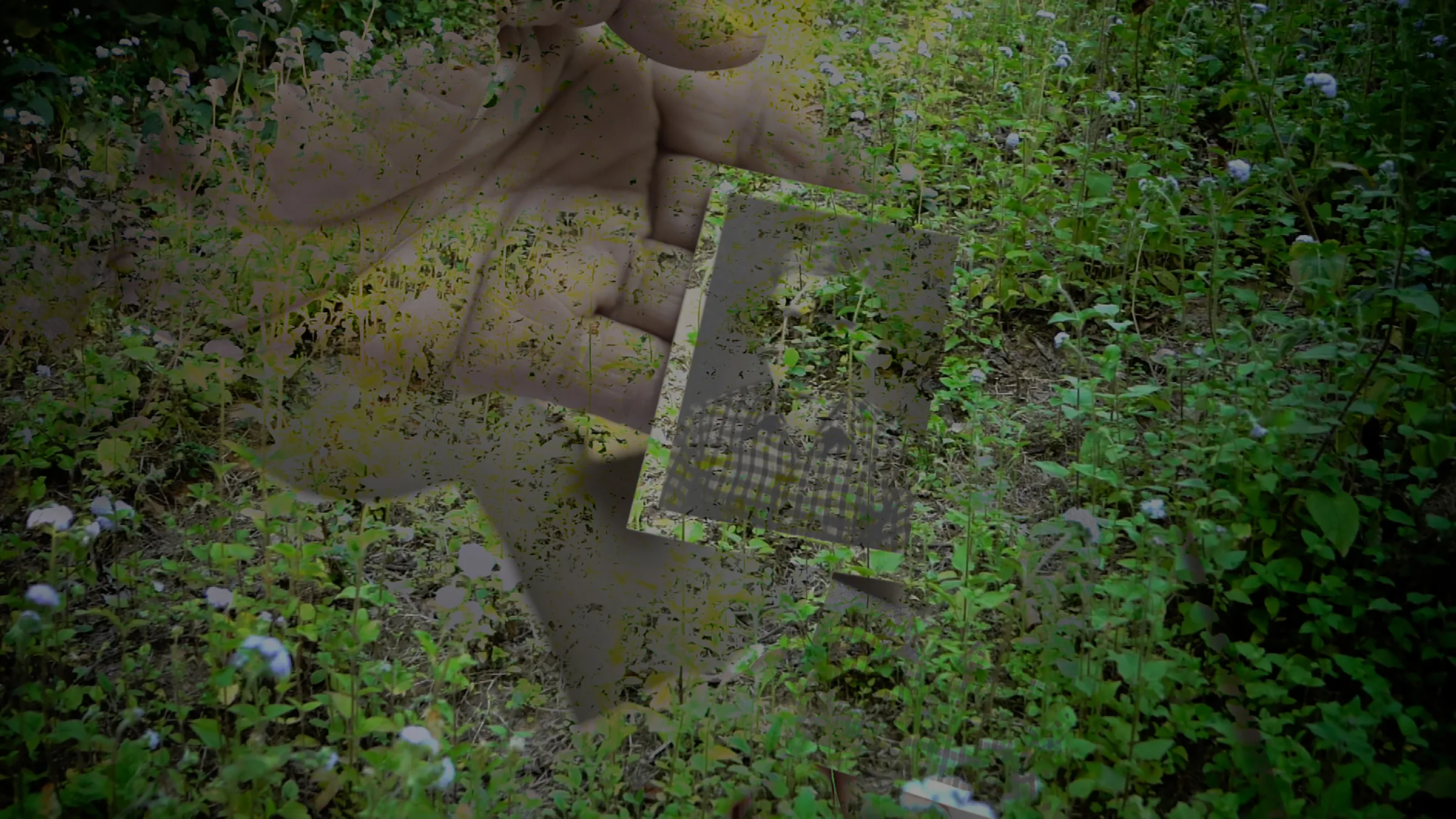
Roohrangi
Wandering through labyrinths of desire and memory in a gay-cruising forest, a filmmaker searches for traces of his grandfather's forest-face, reimagining kinship and ways of seeing through the more-than-human world.
-
Thread Next of Kin
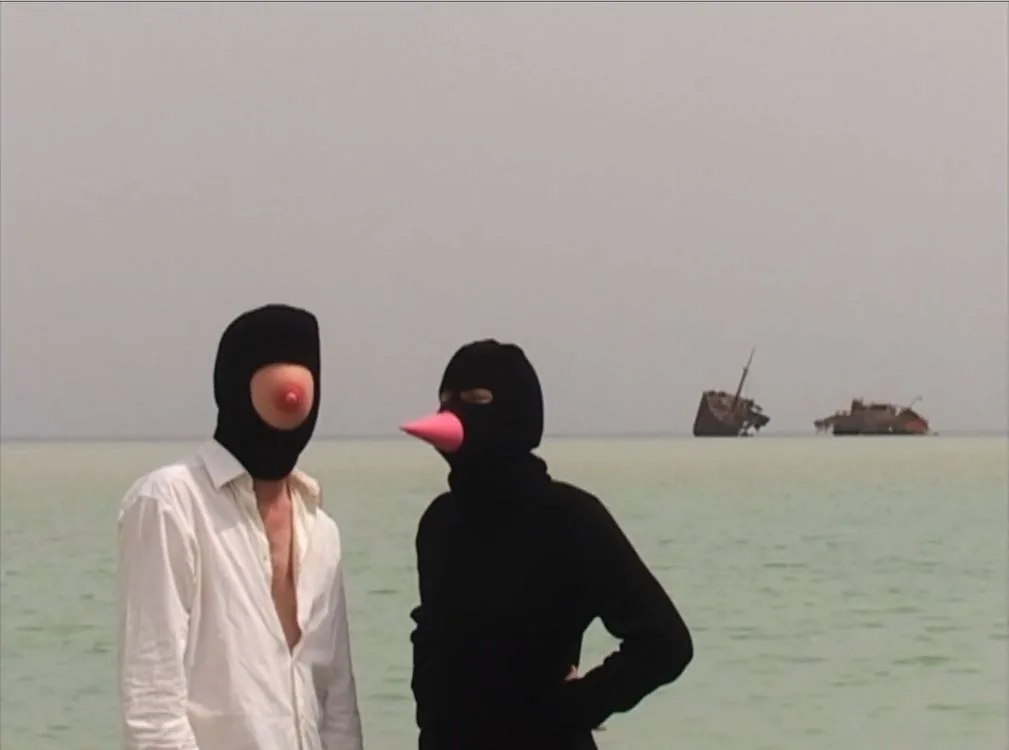
Love-22-Love
Driven by the desire to defeat his demons, artist Jeroen Kooijmans pays tribute in Love-22-Love to art, his love for his wife, and the dark corners of his psyche. At the lowest point of his life, love serves as a remedy.
-
In 1985 McElwee set out to document the lingering traces of General Sherman's march through the American South. He instead created a landmark autobiographical essay film in which history gives way to self-portraiture, a method he would later reexamine with Remake (2025), which is also screening at this festival.
-
Thread Next of Kin
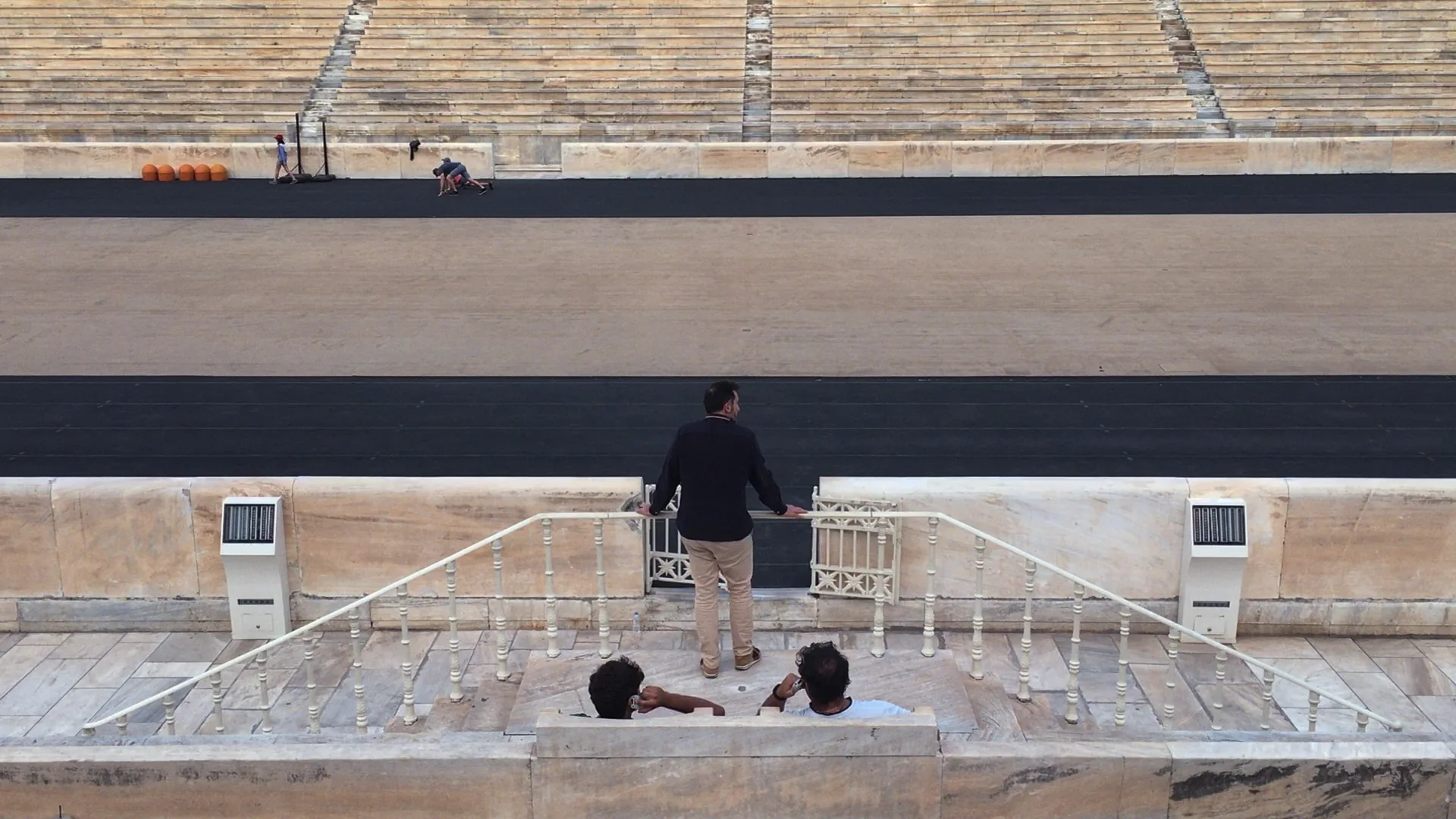
Lo
How do you trace the past? After his mother’s death, the filmmaker returns to his empty childhood home. While dealing with grief, the past, and memories he explores his father’s involvement in the Greek dictatorship of the late 1960s.
-
Thread Next of Kin
The Strike
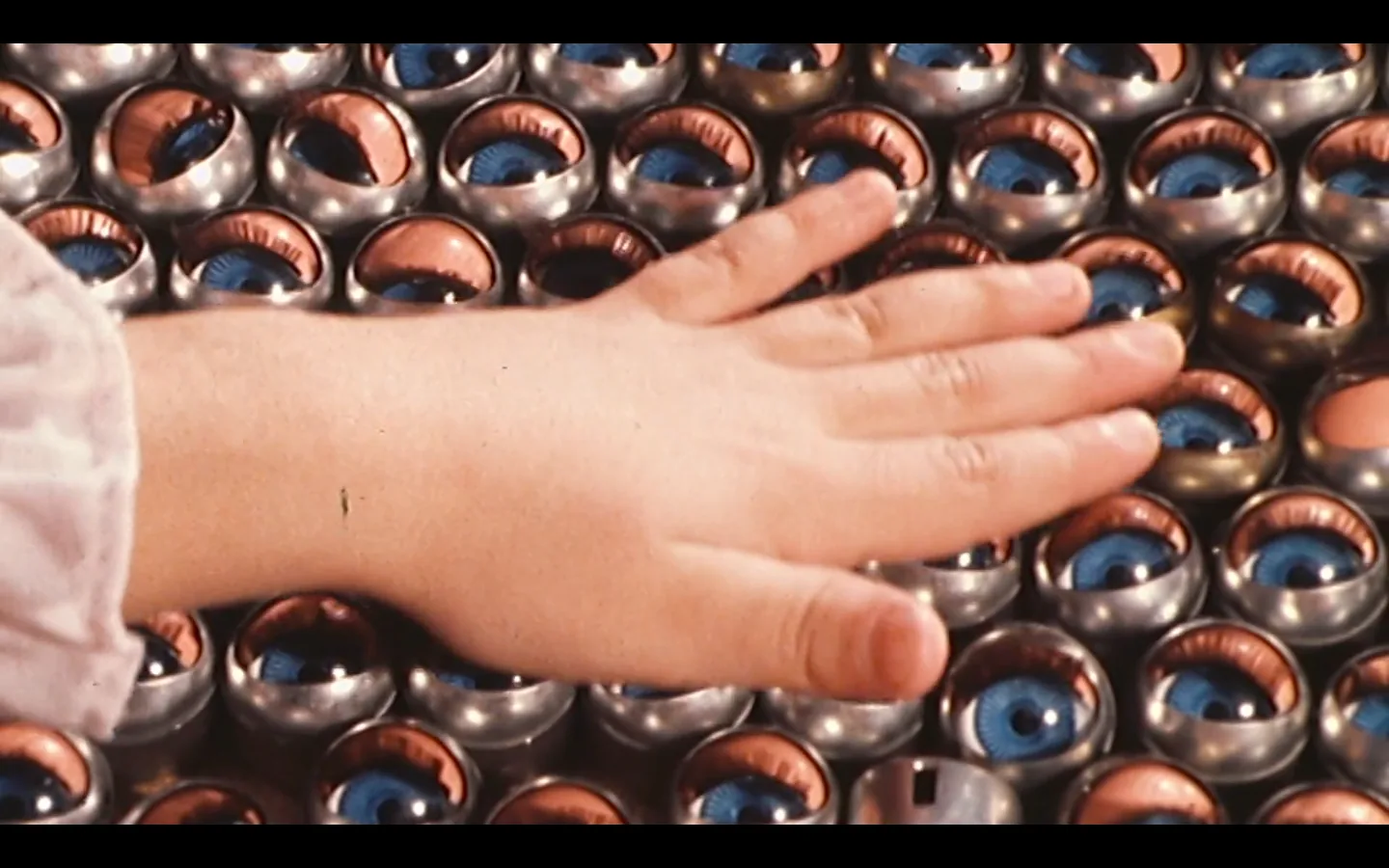
“I’ve been on a sex strike now for almost four years.” A personal and political story of the cracks in the heterosexual model seen through a blend of film archives and found footage.
-
Thread Next of Kin
Left Behind
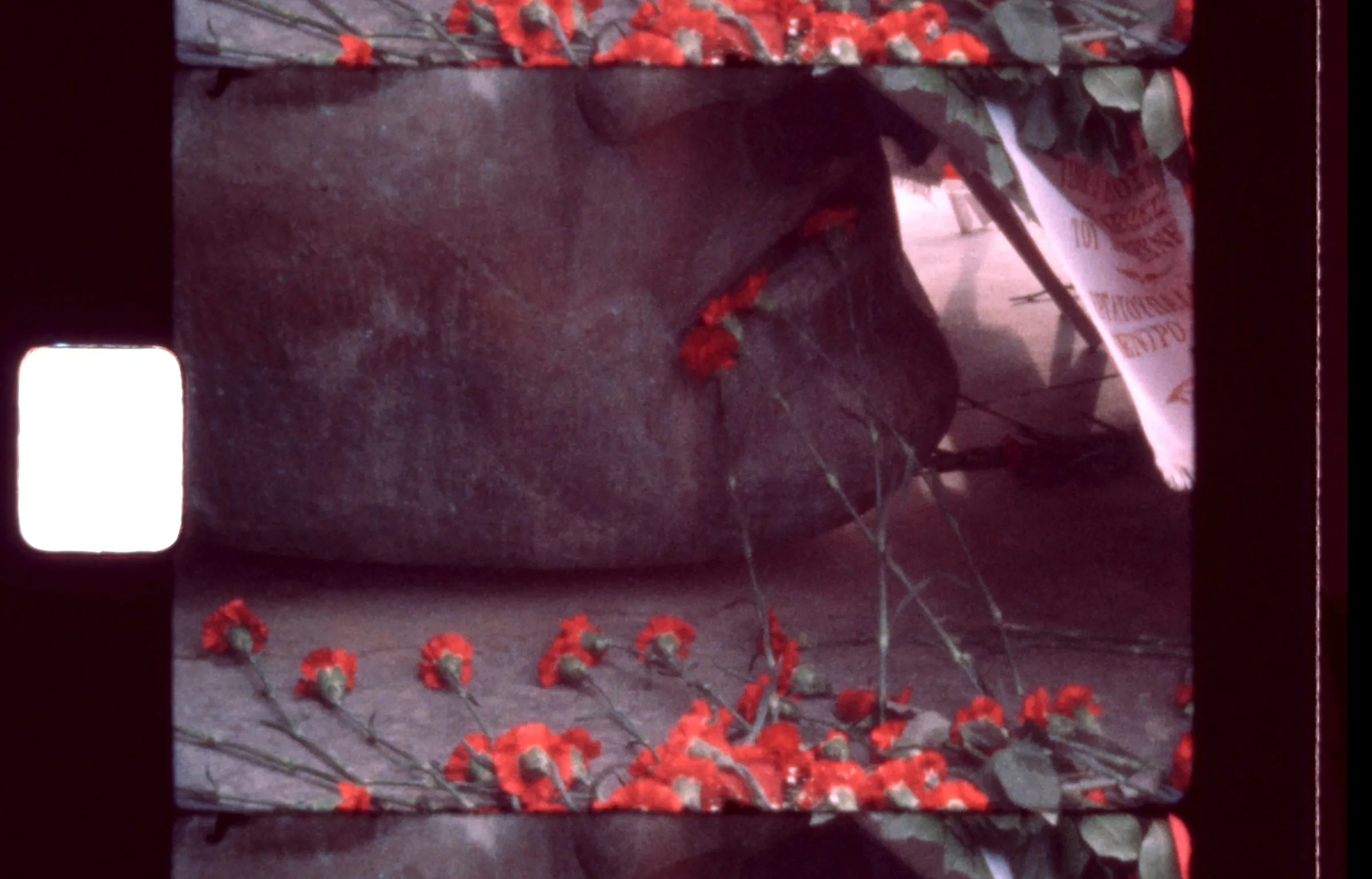
Moving between memories of summer with a past relationship and political protests in the city of Athens, this diary film explores the urgency for collectiveness and the act of moving on.


Big Brother is watching. As AI and militarised technologies become ever more pervasive, we find ourselves surrounded by watchful eyes. The essay films in this thread examine the technologies that observe, classify, and control our everyday lives, asking how new ways of seeing are also becoming new ways of watching, and what this means for how we move through, understand, and are understood by the world.
-
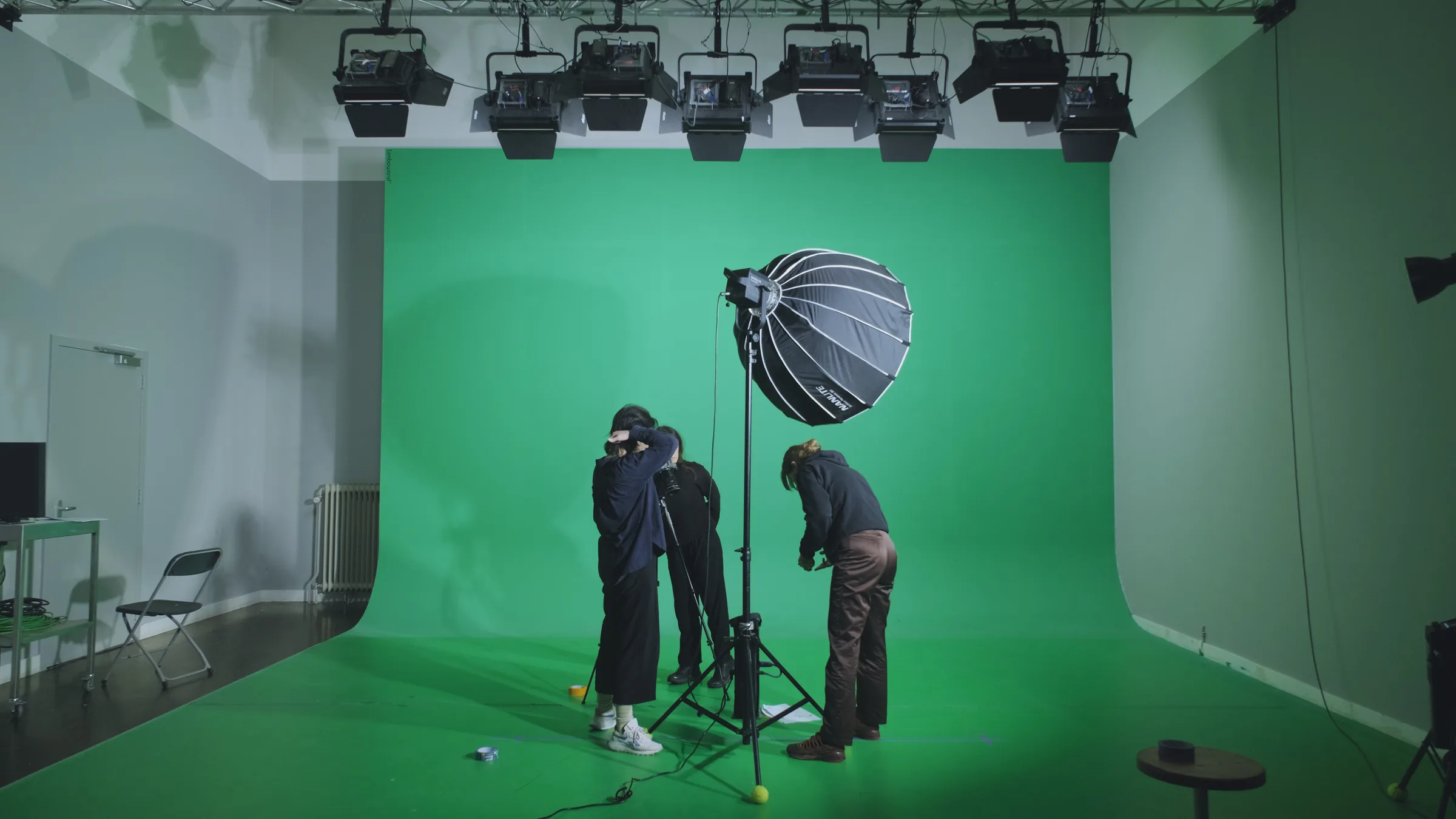
A series of performances reconstructing the data collection processes behind AI models that detect emotions, even micro-expressions and deceptive attempts to conceal them.
-
Thread Under Watchful Eyes
Their Eyes
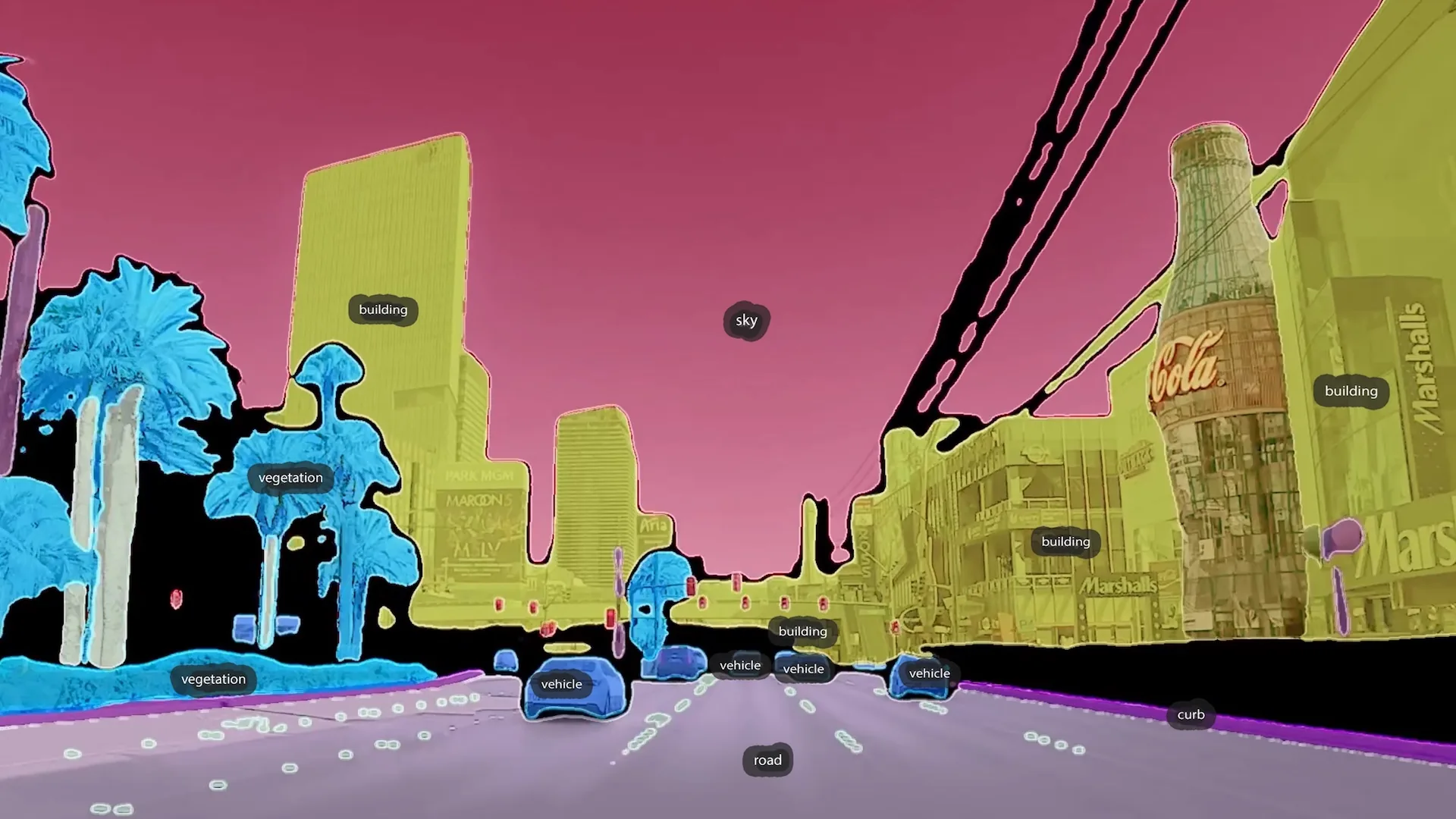
Behind the vision of self-driving cars lies a hidden, exploited workforce from the Global South who analyse, tag, and map a world which they themselves are excluded from.
-
A night-time horror portrait of suburban America, where neon and artificial lighting carve out simulated safety and convenience, held together by hovering surveillance.